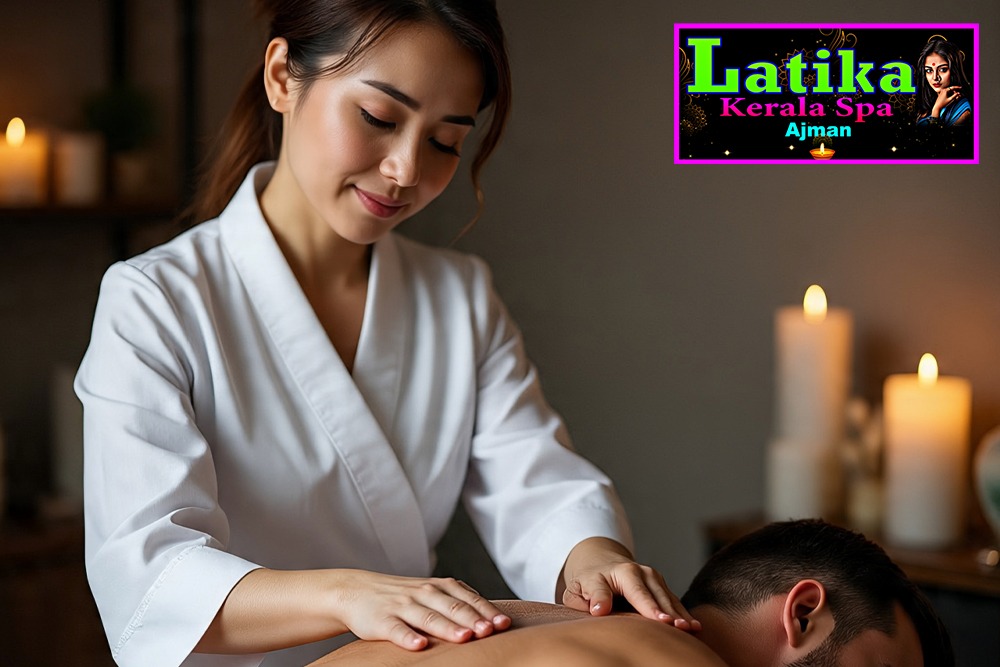
Ask anyone who’s tried a dozen different spas around Ajman what actually made a session work, and you’ll rarely hear “the massage oil” or “the price.” You’ll hear about the room. Whether it was quiet. Whether the door was locked properly. Whether they could actually close their eyes and stop thinking about who might walk in. An Ajman massage can follow every technique correctly and still fail to deliver relief if the environment around it is working against you. That’s the part of the wellness conversation nobody in the UAE spa industry seems to want to have — because it’s less about skill and more about design.
This isn’t another list of “top massages to try.” It’s a look at something more practical: how the room, the routine, and the person giving the massage combine to determine whether your body actually unwinds — or whether you just paid for forty-five minutes of tension in a different position.
The Overlooked Variable: Why Privacy Changes Physiology
Massage therapy works partly through touch and technique, but a huge part of its effect comes from your nervous system shifting out of “alert” mode. That shift — from sympathetic (fight-or-flight) to parasympathetic (rest-and-digest) — doesn’t happen automatically just because someone is rubbing your shoulders. It happens when your brain registers that it’s safe to let go.
That’s why a rushed, thin-walled treatment room with muffled hallway noise can leave you just as tense at the end as you were at the start. Therapists who’ve worked across busy Ajman clinics will tell you the same thing: clients relax faster and more completely in rooms designed for genuine privacy, with proper soundproofing and a locked, dedicated space, than in shared or semi-open setups. At Latika Spa Ajman, this is treated as a clinical detail, not a luxury add-on — because a nervous system that never fully downshifts doesn’t get the circulation, muscle-release, or stress-hormone benefits a massage is supposed to deliver.
What a Genuinely Private Setting Looks Like
A few practical markers separate a private setting from one that only claims to be:
- A fully enclosed room, not a curtained section of a larger space
- Controlled lighting and temperature, adjustable to your comfort
- Fresh linens changed and visibly prepared before you enter
- No shared entry points with other treatment rooms during your session
- Staff who explain the routine before touching you, not mid-session
If a spa can’t confirm these basics when you ask, that’s useful information — not something to just work around.
Matching the Massage Type to the Actual Problem
One habit worth breaking: choosing a massage by menu appeal rather than by what your body needs. Each style solves a different problem, and knowing the difference means you stop paying for the wrong fix.
For Chronic Muscle Tightness
Deep Tissue Massage works through slow, firm pressure aimed at the deeper layers of muscle and connective tissue. It suits people carrying tension from desk work, driving long Ajman commutes, or gym training — but it’s not meant to be painful. A skilled therapist adjusts pressure to your threshold, not a fixed script.
For Circulation and Joint Mobility
Thai Massage combines stretching, compression, and assisted movement. It’s closer to guided mobility work than a typical rubdown, and it’s particularly useful for people dealing with stiffness rather than pain — office workers who sit for eight hours straight, for instance.
For Deep Relaxation and Stress Reset
Russian Massage uses rhythmic, flowing strokes designed to calm the nervous system rather than aggressively work muscle knots. It’s a strong option when the goal is mental reset over physical correction.
For Full-Body Tension Release
Indian Massage and Pakistani Massage techniques often incorporate traditional pressure-point work along the head, shoulders, and back, addressing tension patterns common to long working hours and screen time. Both styles bring a distinct rhythm and regional technique that many residents specifically seek out.
For Warmth-Based Muscle Recovery
Hot Oil Massage uses heated oil to loosen tight muscles before deeper work begins, making it a good pairing for colder months or for anyone whose muscles seize up quickly under pressure.
For Restorative, Full-Body Balance
Kerala Massage draws on traditional techniques using warm herbal oils and long, deliberate strokes, often associated with restoring balance across the whole body rather than targeting one area.
A good therapist will ask about your daily routine, any pain points, and prior injuries before recommending one of these — not simply upsell whichever service has the highest margin.
Hygiene: The Standard That Should Never Be Negotiable
Ajman’s spa scene has grown quickly, and with growth comes inconsistency. A few hygiene questions are worth asking before you book anywhere, not just at massage in Ajman venues but everywhere:
- Are linens and towels single-use per client, laundered on-site or through a verified service?
- Is oil dispensed from sealed or individually portioned containers, not shared open bottles?
- Are therapists trained in sanitation protocols between clients, including hand hygiene and surface cleaning?
- Is there visible ventilation and cleaning documentation, especially in enclosed treatment rooms?
These aren’t excessive questions. They’re the same due diligence you’d apply to any personal care service, and reputable providers won’t hesitate to answer them directly.
Reading Therapist Expertise Before You Book
Technique matters more than most people realize when comparing massage ajman options. A therapist trained specifically in deep tissue work will apply pressure differently than one trained in Thai stretching — and using the wrong hands for the wrong job is how people end up bruised or, worse, injured.
Look for these signals of real expertise:
- Certification in specific modalities, not a vague “trained in massage” claim
- A pre-session consultation covering injuries, medical conditions, and pressure preference
- Willingness to adjust mid-session if pressure feels wrong
- Clear aftercare guidance — hydration, avoiding heavy meals immediately after, gentle movement
If a therapist skips the consultation and goes straight to the table, that’s a shortcut worth noticing.
A Realistic Wellness Routine, Not a One-Time Fix
Massage works best as part of a rhythm, not a single rescue attempt after weeks of tension. For most people managing desk-related stiffness or mild chronic pain, a session every two to four weeks — paired with basic daily movement, hydration, and stretching — produces far more consistent results than one intense session followed by months of nothing.
This is where a comfortable, private setting earns its value again. People are far more likely to maintain a wellness routine when the experience itself feels safe, unhurried, and personal, rather than something to get through. That consistency, not any single treatment, is what actually changes how your body feels week to week.
FAQs
1. How often should I get a massage for chronic tension? Every two to four weeks tends to work well for ongoing muscle tightness, though acute pain may need closer spacing initially, guided by a therapist’s assessment.
2. Is Deep Tissue Massage supposed to hurt? It should feel firm and focused, not sharply painful. Ongoing sharp pain during a session is a signal to ask the therapist to ease pressure.
3. What’s the difference between Thai Massage and Deep Tissue Massage? Thai Massage emphasizes stretching and assisted movement for mobility, while Deep Tissue targets deeper muscle layers with sustained pressure for chronic tightness.
4. How do I know if a spa’s hygiene standards are reliable? Ask directly about linen changes, oil sourcing, and sanitation between clients. A credible provider will answer without hesitation.
5. Can I request a specific massage style if I’m not sure what I need? Yes — describe your daily routine and problem areas, and a trained therapist can recommend between Kerala, Russian, Indian, Pakistani, or Hot Oil Massage based on your needs.
6. Does room privacy actually affect massage results? Yes. A private, quiet, undisturbed space helps your nervous system relax fully, which directly affects how much physical benefit you get from the session.
Closing Thoughts
The next time you’re comparing options for Ajman massage, it’s worth looking past the service menu and asking about the room, the routine, and the person behind the technique. Those details are what separate a massage that genuinely resets your body from one that just passes the time. At Latika Spa Ajman, that combination of private, properly maintained rooms and therapists trained across multiple techniques is treated as the foundation of the experience, not an afterthought — because real relief depends on getting both the setting and the skill right, together.