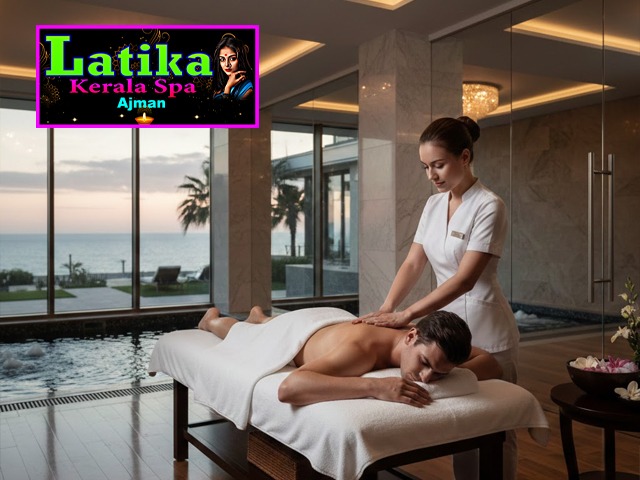
There’s a quiet ritual happening every weekend across the Sharjah–Ajman corridor. Families wrap up their Friday morning errands, a husband and wife squeeze in a quick lunch, and then — almost without discussion — they head toward a spa. Not because it’s a luxury anymore. Because it’s become a need. full body Massages in Sharjah and its neighboring emirate of Ajman have grown from an occasional indulgence into something residents treat with the same regularity as a gym session or a haircut. And yet, most people still walk into any spa with very little idea of what they’re actually looking for, what questions to ask, or how to tell whether the therapist working on them genuinely knows their craft.
This guide fixes that.
The Real Reason Demand for Massages in Sharjah Has Quietly Exploded
Sharjah has always had a reputation as the more considered, slower-paced emirate — but that image hasn’t stopped the city from developing a packed, high-stress lifestyle for most of its residents. Long commutes toward Dubai, desk jobs that run past sunset, and the general physical toll of UAE summers (months of near-zero outdoor mobility) have created a population that is chronically tense, sleep-disrupted, and inflamed in all the ways that show up as lower back pain, shoulder tightness, and restless nights.
Massage therapy directly addresses all three. Clinical research has consistently shown that manual soft-tissue work reduces cortisol levels, improves sleep quality, and lowers markers of systemic inflammation — and that these effects compound with regular sessions rather than fading after a single visit.
But here’s what most people don’t ask when searching for massages in Sharjah: is the therapist trained or just trained enough?
There is a difference. And it matters more than the ambient lighting or the scented candles.
Understanding the Therapy Styles Most Commonly Available — and Which One You Actually Need
Thai Massage in Sharjah: More Than Stretching
Thai massage is frequently misunderstood as a stretching session with someone standing on your back. It’s far more sophisticated than that. Rooted in traditional Thai medicine, the practice uses a combination of rhythmic acupressure, assisted passive stretching, and energy-line work (called Sen lines) to restore mobility and decompress the nervous system simultaneously.
For residents of Sharjah who spend hours behind a steering wheel or hunched over a laptop, Thai massage in Sharjah is particularly well-suited. The hip-opening sequences and spinal decompression work done in a proper Thai session can do in 90 minutes what six weeks of passive stretching might not.
The critical qualifier: a certified Thai massage practitioner should have completed a minimum of 150–200 hours of structured training, ideally with certification traceable to a recognized Thai institution. If a spa cannot tell you about their therapist’s background when you ask, that’s informative.
Kerala Massage: The Ayurvedic System That Takes Time Seriously
The Kerala massage center in Sharjah category has grown substantially over the past few years, driven partly by the large South Indian expat community and partly by a broader UAE-wide turn toward Ayurvedic wellness practices.
Kerala-style massage—the most recognized form being Abhyanga—uses warm medicated herbal oils applied with long, synchronized strokes by one or two therapists. The pressure is moderate but continuous, and the oil absorption is central to the therapy’s effect. This is not a quick-turnaround treatment. A proper Kerala session runs 60–90 minutes at minimum, and the oils used should be specific to your dosha (constitutional type) rather than a generic blend.
What this means practically: if a spa offering “Kerala massage” uses a standard massage oil and completes the session in 45 minutes, they are approximating the form without delivering the function.
Genuine Kerala therapy is particularly effective for joint stiffness, dry skin conditions, fatigue, and anxiety-adjacent states. It works subtly and cumulatively—most practitioners recommend a minimum of five consecutive-day sessions for therapeutic benefit, though single sessions still deliver meaningful relaxation.
Indian and Pakistani Massage: The Tradition of Pressure Done Right
Indian and Pakistani massage traditions share a common root in South Asian bodywork, emphasizing strong pressure along the spine and trapezius muscles, deep work along the calves and feet, and a head-neck-shoulder sequence that most UAE residents with desk jobs find transformative.
The distinguishing marker of an experienced practitioner in these traditions is their use of their own body weight rather than raw arm strength. A therapist who understands leverage produces deeper, more consistent pressure without fatiguing quickly — and the experience on the receiving end is notably more fluid and controlled.
Deep Tissue Massage: When You Need More Than Relaxation
Deep tissue massage is the most frequently misnamed therapy in the region. Many spas market it as simply “harder pressure,” but clinical deep tissue work is a specific methodology: slow strokes applied across the grain of muscle fiber to break up adhesions and restore tissue mobility.
Done correctly, it should not feel like someone is trying to hurt you. There should be a sense of productive discomfort — the feeling of a knot releasing — not pain for its own sake. If a deep tissue session leaves you bruised or significantly sorer for more than 24–36 hours post-treatment, the technique was applied incorrectly.
Hot Oil Massage: The Underrated Reset
Hot oil massage sits at the intersection of sensory therapy and musculoskeletal work. The warmth of the oil penetrates the tissue faster than room-temperature application, reducing viscosity in tight fascia and allowing the therapist’s strokes to go deeper with less pressure. For anyone experiencing chronic muscle tension without acute injury, a hot oil session is one of the most immediately satisfying options available.
What a Quality Spa Experience Actually Looks Like — Beyond the Ambience
The Hygiene Standards That Should Not Be Negotiable
This section exists because it’s rarely discussed openly, and it should be. A Sharjah spa operating at proper professional standards will:
- Use fresh, single-use linen for every client
- Sterilize all tools and surfaces between sessions
- Require therapists to wash hands visibly before beginning treatment
- Store oils in sealed, labeled containers away from heat and light
- Maintain ventilation systems that keep treatment rooms genuinely fresh
Latika Spa Ajman operates with documented hygiene protocols across all treatment rooms — therapists follow a standardized preparation routine before every session, and linens are changed and laundered between clients without exception. It’s the baseline expectation, not a premium add-on.
The Intake Conversation You Should Always Have
Before any massage begins, a qualified therapist should ask about:
- Any existing injuries, surgeries, or medical conditions
- Areas of chronic tension or acute pain
- Your pressure preference (and be willing to adjust mid-session)
- Any medications that might affect tissue response
If you sit down and a therapist immediately begins without a brief consultation, that’s a gap — not necessarily a dealbreaker, but worth noting. The best therapists use this conversation to genuinely customize the session, not just follow a script.
The Ajman Proximity Advantage — Why Sharjah Residents Keep Coming Back
There’s a practical geography here that UAE residents understand instinctively: Ajman is minutes from Sharjah’s industrial and residential areas, the border is seamless, and the spa infrastructure in Ajman has developed rapidly in quality while remaining considerably more accessible in pricing than comparable options in Dubai.
For residents looking for massages in Sharjah and finding the premium options either overbooked or overpriced, the logical move has become crossing into Ajman—particularly to destinations like Latika Spa Ajman, which has built a reputation specifically on therapist quality and therapy authenticity rather than luxury hotel adjacency.
The clientele at Latika Spa Ajman reflects this geography—a mix of Sharjah and Ajman residents, working professionals, couples, and South Asian expats who want therapy done with the genuine technique of their home traditions.
How Often Should You Actually Be Getting Massage Therapy?
This is one of the most common questions, and the answer depends on what you’re trying to address:
For general maintenance and stress management: Once every two to three weeks is the evidence-backed sweet spot for most working adults. This frequency keeps cortisol levels meaningfully lower over time and prevents tension from accumulating to the point of causing mobility restrictions.
For a specific complaint (e.g., lower back tightness, neck tension from posture): A condensed initial series — four to six sessions over three weeks — followed by maintenance visits is more effective than sporadic deep-tissue sessions separated by months.
For Ayurvedic therapies like Kerala massage: Traditional practice recommends a daily series of five to seven sessions as the foundational course, after which monthly or fortnightly maintenance sustains the benefit.
Budget consideration: If cost is a limiting factor, a 60-minute session every three weeks consistently outperforms a single two-hour session every three months. Regularity is the active ingredient.
Practical Advice Before You Book Your Next Session
A few things are worth knowing before you call any spa — including ours:
Ask about the therapist’s background. A good spa is proud of its team and will tell you. Therapist turnover is a real issue in the industry; continuity of care matters if you’re managing a specific condition.
Book in advance for evening slots. The 6–9 PM window fills fast across all quality spas in the Sharjah-Ajman area, especially Thursday and Friday evenings. Weekend appointments at Latika Spa Ajman are typically booked 48–72 hours ahead during peak periods.
Arrive 10 minutes early. Rushing into a massage session means your nervous system is still in fight-or-flight when the therapist starts. The first 10–15 minutes of any session are often the most important for neurological downregulation — being calm when you begin accelerates that process significantly.
Hydrate afterward, not before. Light hydration before a session is fine. Heavy water intake immediately before can create discomfort during abdominal-area work. After the session, consistent hydration over the following 6–8 hours supports tissue recovery and helps flush the metabolic byproducts released during deeper work.
FAQ: Massages in Sharjah and Ajman
1. What is the difference between Thai massage and a regular massage? Thai massage is performed on a floor mat with the client fully clothed and involves passive stretching, compression, and joint mobilization alongside acupressure. A “regular” (oil-based) massage is performed on a table and focuses primarily on soft tissue manipulation using oil. They serve different purposes — Thai massage is better for mobility and energy restoration, while oil-based massage is more effective for muscle tension and relaxation.
2. Is Kerala massage only for people of Indian origin? Not at all. Kerala massage — rooted in Ayurvedic medicine — is a holistic therapy beneficial for anyone experiencing fatigue, joint stiffness, skin dryness, or chronic stress. The herbal oils used have documented benefits regardless of the client’s background. Many non-South Asian clients at Latika Spa Ajman regularly request Kerala sessions.
3. How do I know if a deep tissue massage is being done correctly? Correctly applied deep tissue work produces a sensation often described as “good hurt” — productive discomfort during the session that resolves within 24 hours. If you’re bruised, excessively sore for more than two days, or feel worse rather than better, the technique was incorrect, or the pressure was applied without an adequate warm-up.
4. Is it safe to get a massage during Ramadan? Yes, massage therapy is generally considered permissible and does not break the fast. However, oil-based treatments are best scheduled for after iftar hours, when the body is nourished and hydrated. Several spas, including Latika Spa Ajman, offer extended evening hours during Ramadan specifically to accommodate this.
5. What should I wear to a Thai massage session? Thai massage is done fully clothed. Loose, comfortable clothing — similar to what you’d wear for yoga or light exercise — is ideal. Avoid jeans or restrictive waistbands. The spa will typically provide loose Thai-style clothing if needed.
6. How do I compare a Kerala massage center in Sharjah with one in Ajman? The key differentiators are therapist origin and training, oil quality, session duration, and whether the center offers consultation before treatment. Proximity to Sharjah makes Ajman-based centers like Latika Spa Ajman a practical and often superior option — shorter wait times, more accessible pricing, and therapists frequently trained in Kerala’s traditional institutions.
The Right Session Starts With the Right Information
Massage therapy in this region has matured. The days of a spa being a place you visit once a year on a special occasion are largely behind us — and the residents of Sharjah who have made regular bodywork part of their health routine are the ones who will tell you, plainly, that their back stopped hurting, their sleep improved, and their ability to handle a difficult week changed.
If you’re in the Sharjah area and ready to move from occasional to intentional about your wellness, the team at Latika Spa Ajman offers consultations before every session, transparent information about therapist backgrounds, and a genuine range of therapies — from Thai massage to Kerala, Indian, Russian, Deep Tissue, and Hot Oil — delivered by practitioners who understand the tradition behind each one. The commute from Sharjah is short. The difference, once you find the right therapist, tends to feel significant.