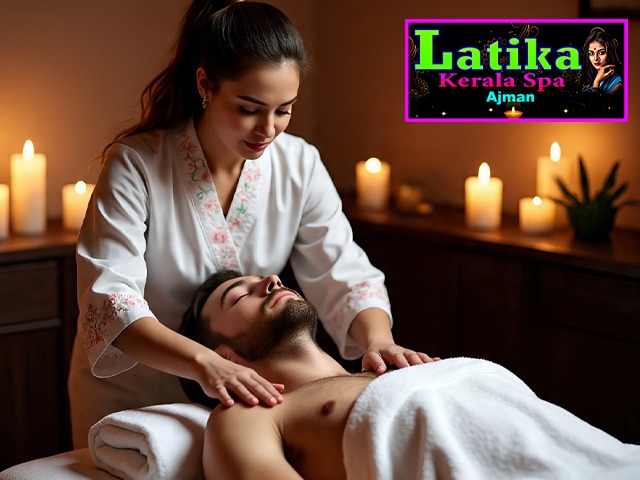
There’s a particular kind of tired that shows up around 6 p.m. in Al Rashidiya — not the sleepy kind, but the stiff, heavy-shouldered kind that seems to settle in no matter how early you went to bed the night before. Talk to a few neighbours about it and a pattern emerges pretty quickly. It’s rarely one big thing. It’s the twenty-odd minutes spent gripping a steering wheel on the drive toward the Corniche, the hours hunched over a laptop, and the thick afternoon humidity that makes even a short walk feel like effort. None of it is dramatic on its own, but stacked together over weeks, it adds up to tension that a good night’s sleep just doesn’t touch. That’s really the reason more people nearby have started looking more carefully for a massage center ajman rashidiya residents can actually rely on, instead of booking whichever spa happens to rank first in a quick search.
This isn’t another list of “top 10 benefits of massage.” It’s a practical look at why Al Rashidiya’s lifestyle is creating a very particular set of muscular and postural problems and how to actually choose a therapy — and a therapist — that addresses them instead of just feeling nice for an hour.
The Al Rashidiya Body: What’s Really Causing the Tension
Al Rashidiya sits in an interesting spot. It’s residential and quieter than central Ajman, which means most people commute — to Dubai, to Sharjah, or across town to the industrial and business districts. That commute pattern creates three very specific physical stress points that a good therapist should be trained to recognize:
1. The “Steering Wheel Shoulder”
Long, repetitive driving pulls the shoulders forward and tightens the upper trapezius on one side more than the other, especially for right-hand drive habits. Over months, this creates a subtle but persistent knot pattern that generic relaxation techniques barely touch.
2. Desk-to-Car-to-Sofa Syndrome
Many residents go from an office chair to a car seat to a sofa with almost no standing or stretching in between. The hip flexors shorten, the lower back compensates, and by Thursday evening, that dull ache behind the pelvis feels normal — even though it isn’t.
3. Humidity Fatigue
Ajman’s coastal humidity, especially between May and September, causes fluid retention and a heavier, sluggish feeling in the limbs. It’s a real physiological response, not just laziness, and it changes how your muscles hold tension.
Understanding these three patterns matters because it changes what kind of massage actually helps — and this is where most people get it wrong by picking a treatment based on price rather than purpose.
Matching the Massage to the Problem, Not the Menu
A well-run massage center in ajman should ask you a few questions before recommending a treatment — where you feel the tension, how long you’ve had it, whether it’s from sitting, driving, or standing. If a spa hands you a menu and lets you guess, that’s usually a sign the therapists aren’t trained to assess before they treat.
Here’s a more useful way to think about it, based on the three patterns above.
For Steering Wheel Shoulder
Deep Tissue Massage is built for this. It works slowly into the layers of muscle around the shoulder blade and neck, targeting the specific knots that build up from repetitive posture rather than just skimming the surface. A skilled therapist will spend extra time on whichever side shows more tightness instead of treating both sides identically.
For Lower Back and Hip Compensation
Kerala Massage, with its rhythmic, warm-oil technique, is particularly effective here because the oil is often infused with herbal properties that help loosen the lower back and hip region gradually, without the intensity of deep tissue work. It’s a gentler entry point for people who’ve never had proper bodywork before.
For Humidity-Related Heaviness and Fluid Retention
Thai Massage, with its stretching and joint mobilization, helps stimulate circulation in the limbs far more effectively than a purely static massage. The assisted stretches counteract the “heavy legs” feeling many residents describe by July and August.
For General Muscle Recovery After Physical Work or Gym Sessions
Hot Oil Massage combines warmth with pressure to relax muscle fibers faster, which is particularly useful for anyone who works out after a full day of driving or desk work and needs the body to recover before the next day starts.
For Deep Relaxation and Nervous System Reset
Russian Massage and Pakistani Massage techniques both bring a firmer, more structured rhythm that many people find grounding after a mentally exhausting week — useful when the issue isn’t just physical tightness but the accumulated stress of juggling work and commute.
At Latika Spa Ajman, therapists are trained to ask about your daily routine before suggesting a technique, because a driver’s shoulder and a cashier’s lower back need genuinely different approaches, not the same 60-minute default.
What Actually Separates a Good Massage Center From an Average One
Hygiene Isn’t Optional — It’s the First Thing to Check
Before anything else, a reputable Ajman massage center should be able to show you that linens are changed between every client, tools and oils are stored properly, and rooms are cleaned between sessions — not just “wiped down.” If a spa hesitates when you ask about their hygiene protocol, that hesitation tells you everything.
Therapist Training Matters More Than Ambience
Candles and calming music are nice, but they don’t fix a shoulder knot. Ask how long the therapist has been trained in the specific technique you’re booking — Thai, Kerala, or Deep Tissue therapy all require different skill sets, and a therapist who’s genuinely trained in one will be able to explain, in simple terms, what they’re doing and why.
Pressure Should Be a Conversation, Not a Guess
A good therapist checks in during the session, especially in the first 10 minutes, to calibrate pressure. If you leave feeling either untouched or bruised, that’s a communication gap, not a reflection of your pain tolerance.
Consistency Over One-Off Luxury
The people who benefit most from massage therapy aren’t the ones who go once every six months for a treat — they’re the ones who build a rhythm, whether that’s twice a month or seasonally around Ajman’s humid stretch. Ask any wellness practitioner and they’ll say the same: consistent bodywork routines outperform occasional deep sessions for long-term posture and stress management.
A Simple At-Home Routine Between Sessions
Massage works best when it’s supported by small daily habits, not treated as a standalone fix.
- Micro-stretch breaks during commutes. If you’re stuck in traffic, rolling your shoulders back and gently tilting your neck side to side for 30 seconds can prevent tension from setting into deep knots.
- Hydration during humid months. Ajman’s humidity pulls more fluid from the body than people realize; proper hydration reduces the heaviness that Thai-style stretching would otherwise need to work harder to release.
- Five minutes of floor stretching before bed. Targeting the hip flexors and lower back with simple stretches can meaningfully reduce the compensation pattern caused by sitting most of the day.
None of this replaces professional therapy, but it extends the benefit of each session significantly.
Safety Notes Worth Taking Seriously
Not every massage type suits every body. Pregnant women, people with recent injuries, or those managing chronic conditions like hypertension should always disclose their health history before a session — a responsible massage center ajman corniche or Rashidiya location will adjust pressure and technique accordingly, or advise against certain treatments altogether. Deep tissue and firmer techniques like Russian massage aren’t recommended within 48 hours of an injury, and anyone with skin conditions should mention this before a hot oil treatment. A trustworthy therapist will always ask before assuming.
Closing Thoughts
Choosing where to go for bodywork isn’t just about proximity, even though having a massage center in ajman close to home in Al Rashidiya certainly helps on a long week. It’s about whether the people treating you actually understand what your daily life is doing to your body — the driving, the desk hours, the humidity — and whether they adjust their technique accordingly instead of running through a routine. That’s the standard Latika Spa Ajman has built its therapists around, and it’s the standard worth expecting from anywhere you choose to unwind.
FAQs
1. Which massage is best for back pain caused by long driving commutes? Deep Tissue Massage is generally most effective for driving-related tension, though Kerala Massage offers a gentler alternative for those new to therapeutic bodywork.
2. How often should I get a massage if I have a desk job? Most therapists recommend once every two to three weeks for people with sedentary jobs, adjusted based on how quickly tension rebuilds.
3. Is Thai Massage painful? Thai Massage involves stretching and pressure but shouldn’t be painful. Communicate with your therapist if any stretch feels too intense.
4. Can I get a massage if I have high blood pressure? You can, but you should always disclose this beforehand so the therapist can adjust pressure and avoid techniques that aren’t suitable.
5. What’s the difference between Hot Oil Massage and Deep Tissue Massage? Hot Oil Massage uses warmth and lighter, flowing strokes to relax muscles, while Deep Tissue Massage applies firmer, targeted pressure to release specific knots.