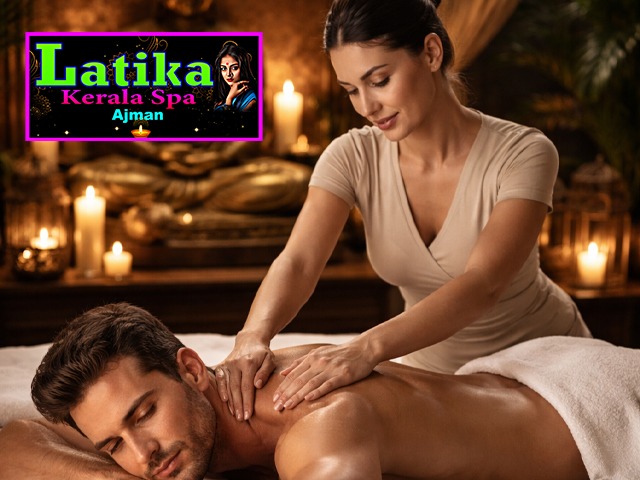
Ask ten people in Ajman why their shoulders feel like concrete by Thursday evening, and you’ll get ten different answers — desk jobs, long commutes along Sheikh Khalifa Bin Zayed Road, warehouse shifts at the port, or simply the coastal humidity that makes muscles feel stiffer than they would in a drier climate. Yet most people walk into a Ajman Spa massage locals recommend and ask for “just a massage,” without knowing that the type of massage they choose can make the difference between walking out lighter and walking out sore for two more days.
This isn’t another article telling you that massage feels nice. It’s a practical breakdown of how to match a massage technique to what your body is actually dealing with — whether that’s poor sleep, a desk-bound back, or muscles that never quite recover from Ajman’s heat and humidity. Along the way, we’ll look at how therapists trained in different traditions approach the same problem differently, and what that means for you the next time you book an Ajman spa massage.
Why “One Massage Fits All” Doesn’t Work in Ajman’s Climate
Ajman’s weather does something specific to the body that people rarely connect to muscle tension: humidity slows down how quickly your muscles release built-up lactic acid and metabolic waste after physical exertion. Combine that with air-conditioned offices that keep muscles cold and contracted for eight or nine hours a day, and you get a strange mix — surface tightness from the cold indoors, and deeper fatigue from the heat outdoors the moment you step out.
This is one reason therapists trained in different massage traditions bring genuinely different value, rather than just different “styles.” A technique built for deep muscular recovery works differently on the body than one designed for circulation and stress relief — and it’s why choosing the right Ajman Massage technique matters more than choosing a spa based on price alone.
The Two Questions Every Good Therapist Should Ask First
- Is this tension muscular (knots, stiffness, restricted movement) or nervous system-related (stress, poor sleep, anxiety)?
- Has this built up over weeks, or is it a recent flare-up from an injury, a long flight, or overtraining at the gym?
A therapist who skips these questions and goes straight into a routine sequence isn’t necessarily bad at their job — but they’re not solving your specific problem either.
Matching the Massage Type to the Problem
If You Sit at a Desk All Day: Deep Tissue Massage
Prolonged sitting shortens the hip flexors and rounds the shoulders forward, which then forces the muscles along the spine to overwork just to keep you upright. A Deep Tissue Massage targets these specific overworked layers rather than gliding over the surface. It’s slower, more deliberate, and often uses forearms or elbows to reach muscle fibers that a lighter technique won’t touch.
This isn’t the massage to book if you’re new to bodywork and sensitive to pressure — but for someone who’s been deskbound for years, it tends to bring the most noticeable relief in a single session.
If You’re Dealing With Chronic Stress or Poor Sleep: Thai Massage
Thai Massage works differently from most other techniques because it incorporates assisted stretching alongside pressure-point work. The stretching component matters more than people realize — it signals to the nervous system that it’s safe to relax, which is often what’s missing when stress (not muscle tightness) is the root cause of tension.
People who carry stress in their jaw, neck, and lower back — rather than in one obvious spot — often respond better to this full-body, rhythmic approach than to a more localized technique.
If You’ve Just Started Working Out Again: Russian Massage
Russian Massage was originally developed with athletes and physical rehabilitation in mind, and it shows in the technique — the strokes are structured around improving blood flow and flushing out the by-products of muscle exertion, rather than just applying pressure. If you’ve recently picked training back up after months off, or you’re managing delayed-onset muscle soreness, this approach tends to aid recovery without overworking already-fatigued tissue. It’s one of the more requested treatments at any massage spa ajman gym-goers frequent, precisely because recovery-focused strokes are harder to find elsewhere.
If Your Body Feels Cold, Stiff, or Under-Circulated: Hot Oil Massage
Warm oil does more than feel indulgent — heat helps blood vessels dilate, which brings more oxygen to tight muscles and makes them more receptive to manipulation. A Hot Oil Massage is particularly useful for people who run cold, work in heavily air-conditioned environments most of the day, or simply carry tension in a way that feels more like stiffness than knots.
If You Want a Full-Body Reset With Firm, Grounding Pressure: Indian or Pakistani Massage
Indian Massage and Pakistani Massage traditions both emphasize rhythmic, firm strokes that work the whole body rather than isolating one or two problem areas. These techniques are often underrated because they don’t chase a single symptom — instead, they’re built around the idea that tension in one part of the body is rarely isolated from the rest. If you’ve booked an Ajman Massage before and left feeling like only half the problem was addressed, this full-body approach is worth trying next.
If You Need Deep Relief Without Aggressive Pressure: Kerala Massage
Kerala Massage draws from Ayurvedic principles and typically uses warmed herbal oils applied in long, synchronized strokes. It’s a good middle ground for people who want more than a light relaxation massage but find deep tissue work too intense — the oils, warmth, and rhythm do a lot of the work that pressure alone would otherwise need to. Not every Ajman massage center trains therapists in this tradition, so it’s worth asking specifically if this technique is something you want to try.
What Good Hygiene and Safety Standards Actually Look Like
A therapist’s skill matters, but so does what happens before and after your session. A few things worth checking at any Ajman massage center, including Latika Spa Ajman:
- Fresh linens for every single client, not just “changed if visibly used.”
- Sealed or single-use oil dispensers rather than shared open bottles.
- Therapists who ask about allergies, recent injuries, skin conditions, or pregnancy before starting.
- Clean, ventilated rooms — humidity without airflow is a breeding ground for bacteria, especially relevant in Ajman’s climate.
- Staff trained to adjust pressure based on verbal feedback during the session, not just at the start.
If a spa can’t answer basic questions about oil sourcing, sanitation between clients, or therapist training background, that’s worth noting before you book.
A Quick Note on Realistic Expectations
One session rarely “fixes” chronic tension that’s built up over months. A therapist who promises instant, permanent results after a single hour is overselling the treatment. What a well-matched massage can realistically do is reduce immediate discomfort, improve short-term mobility, and give you a clearer sense of where your body is holding tension — which then informs whether you need a follow-up session, a change in daily posture, or a different technique altogether.
Closing Thoughts
The best massage isn’t the most expensive one or the one with the fanciest name — it’s the one matched to what your body is actually asking for that week. Paying attention to whether your tension is muscular or nervous, recent or chronic, circulatory or structural, changes which technique will actually help. Places like Latika Spa Ajman that take the time to ask before they start working tend to get better, longer-lasting results for exactly this reason — because the right question up front saves you from the wrong massage altogether. Whether you’re searching for an Ajman massage center near your neighborhood or simply comparing options for your next Ajman Massage, that one habit — asking before assuming — is what separates a forgettable session from one that actually solves your problem.
FAQ
1. How often should I get a massage if I sit at a desk all day? Most people managing desk-related tension benefit from a session every two to three weeks, alongside regular stretching in between visits.
2. Is Deep Tissue Massage painful? It can feel intense, especially on tight areas, but a skilled therapist adjusts pressure based on your feedback and should never leave you in pain afterward.
3. Can I combine massage techniques in one session? Yes — many therapists blend elements, such as Hot Oil Massage warmth with Deep Tissue pressure, depending on what your body needs that day.
4. Is Thai Massage suitable for people with back problems? It can be, but always disclose any existing back conditions beforehand so the therapist can modify stretches accordingly.
5. How do I know if a spa follows proper hygiene standards? Ask directly about linen changes, oil storage, and room sanitation — a transparent Ajman massage center will answer without hesitation.
6. What’s the difference between Kerala Massage and Hot Oil Massage? Kerala Massage follows Ayurvedic techniques with herbal oils and rhythmic strokes, while Hot Oil Massage focuses more broadly on using warmth to relax muscles and improve circulation.