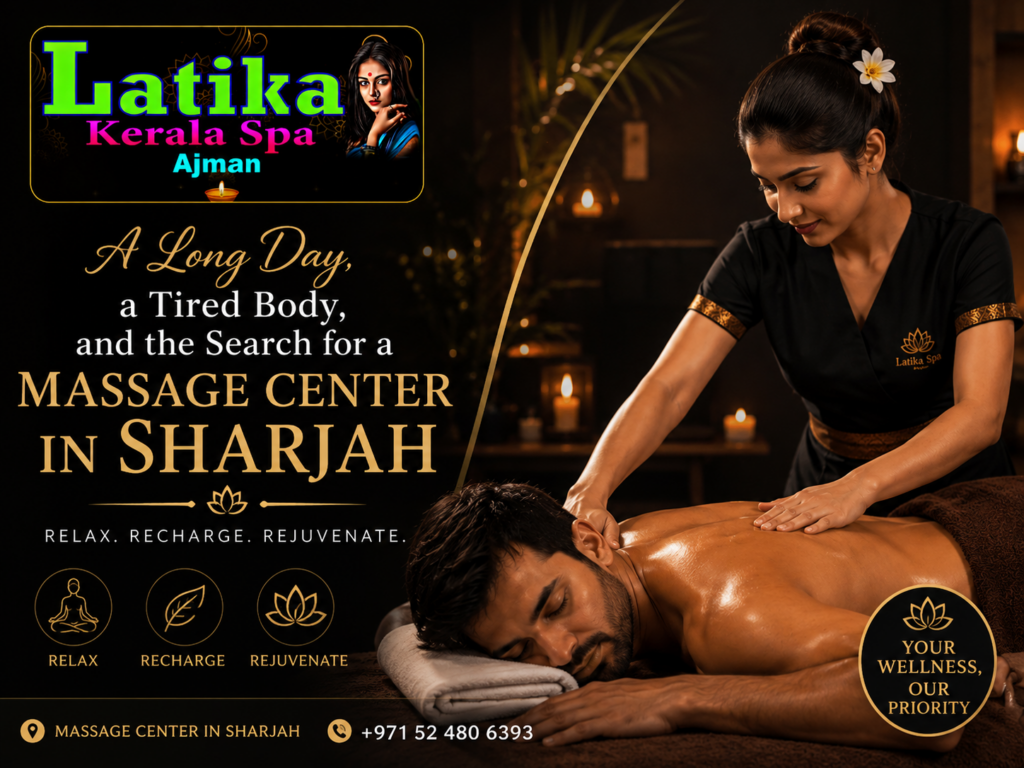
There’s a specific kind of ache that only shows up around the third red light on Sheikh Mohammed Bin Zayed Road — right shoulder first, then the base of the skull, then that dull pull between the shoulder blades that no amount of shifting in the driver’s seat seems to fix. Ajman residents who make this drive know it well, and a fair number of them have quietly solved it the same way: not with a new pillow or a chiropractor referral, but with a standing weekly appointment at a massage center in Sharjah, treated with the same seriousness as a car service or a dentist visit.
What’s interesting isn’t that people are getting massages — it’s why the habit stuck. Nobody keeps paying for something that only feels good for twenty minutes and wears off by the next red light. The residents who’ve turned this into a routine did so because they eventually figured out which technique actually addressed what was wrong with their body, instead of just numbing it for an afternoon. That’s the part most spa content skips over.
The Real Reason Commuters Are Booking Massages More Often
Talk to a physiotherapist in the region and they’ll point to three culprits behind the stiffness so common among UAE office workers: prolonged sitting, constant exposure to air conditioning, and dehydration from the heat outside contrasted with dry indoor air. None of these are dramatic injuries. They’re slow, cumulative problems — the kind that don’t show up on an X-ray but absolutely show up in how someone sleeps, moves, and concentrates by Thursday afternoon.
That’s part of why demand for massages in Sharjah has shifted. People aren’t just chasing relaxation anymore. They’re looking for something closer to maintenance therapy — a way to interrupt the pattern before it becomes chronic back pain or tension headaches.
What “Maintenance” Actually Looks Like
A therapist who has spent years working across different massage styles will usually recommend rotating techniques rather than sticking to one every time. Here’s a rough breakdown of how that plays out in practice:
- Deep Tissue Massage — for people whose pain is muscular and localized, like a knot between the shoulder blades from typing all day.
- Thai Massage — for those who feel stiff rather than sore, especially in the hips and lower back from long periods of sitting.
- Hot Oil Massage — for anyone dealing with dry skin from the AC and general fatigue, since the warmth helps muscles release faster.
- Kerala Massage — a traditional approach many find effective for circulation and joint mobility, particularly useful for older clients or those with repetitive strain.
- Russian Massage — firmer, more rhythmic strokes that suit people who want a therapeutic session without deep-pressure discomfort.
- Indian Massage and Pakistani Massage — both draw on generations-old techniques focused on head, neck, and shoulder tension, which is exactly where desk workers carry most of their stress.
None of these is universally “the best.” The right one depends on what’s actually going on in your body that week, which is why a good therapist asks questions before reaching for the oil.
How to Choose a Massage Center in Sharjah Before You Book
This is the part most people skip, and it’s the part that actually protects you. A spa massage in Sharjah worth returning to should be transparent about a few basics, and it’s fair to ask before your first visit:
Hygiene Standards You Shouldn’t Compromise On
Fresh linens for every client, sanitized equipment between sessions, and therapists trained in basic hygiene protocols aren’t optional extras — they’re the baseline. If a facility hesitates when you ask about their cleaning routine, that’s information in itself.
Therapist Training and Experience
Ask how long the therapist has been practicing and whether they’re trained in multiple techniques. A therapist who only knows one style will apply it regardless of what your body needs, which isn’t ideal if you’re dealing with something specific like sciatica discomfort or a stiff neck from sleeping wrong.
Communication Before the Session Starts
A reputable massage spa in Sharjah will always ask about existing injuries, recent surgeries, pregnancy, or high blood pressure before starting. This isn’t bureaucracy — deep pressure on the wrong area, for the wrong person, can genuinely cause harm. If nobody asks, that’s a red flag worth noting.
What Ajman Residents Say Changed for Them
The pattern that comes up again and again in conversations with regulars isn’t about indulgence — it’s about sleep. People mention falling asleep faster on the nights after a good session, and waking up with less of that dull ache between the shoulder blades. Others talk about noticing tension building up over the week and using their weekend visit almost like a pressure release valve before it turns into a proper headache.
At Latika Spa Ajman, this is the kind of feedback that shapes how sessions are structured — less about ticking a box marked “relaxation” and more about actually listening to what a client’s body has been through that week. A therapist who takes five minutes to ask questions before starting usually delivers a session that’s more useful than one who doesn’t.
A Quick Note on Frequency
There’s no single correct answer for how often someone should get a massage, but a reasonable rule of thumb for people managing desk-job stiffness is:
- Once every two weeks for general maintenance and stress management.
- Weekly if you’re actively dealing with a specific issue like chronic shoulder tension.
- Monthly if your main goal is simply not letting stress build up unnoticed.
Going more often than your body needs doesn’t necessarily speed up results — muscles need time to adjust between sessions, and overdoing deep tissue work in particular can leave you sorer than when you started.
Safety Advice Worth Repeating
A few practical points that don’t get said often enough:
- Drink water after a deep tissue or hot oil session — it helps flush out the metabolic waste released from tight muscles.
- Avoid booking an intense session immediately before a long drive; give your body twenty to thirty minutes to settle first.
- If you’re pregnant, managing a chronic condition, or recovering from an injury, always mention it upfront so the therapist can adjust pressure and technique accordingly.
- Bruising or sharp pain during a massage isn’t a sign of a “good deep massage” — it’s a sign to speak up immediately.
These aren’t complicated rules, but they’re the difference between a session that helps and one that leaves you worse off.
Why Location Ends up Mattering Less Than People Expect
Plenty of Ajman residents assumed they’d eventually find something closer to home and stop making the trip. What often happens instead is the opposite — once someone finds a spa in Sharjah with therapists they trust and a consistent standard of care, the twenty-minute drive stops feeling like an inconvenience and starts feeling like part of the routine, the same way people will drive across town for a barber or a doctor they actually rate.
That’s really the throughline here: consistency and trust end up mattering more than proximity. Latika Spa Ajman has built its regulars this way — not through one impressive session, but through a track record of therapists who ask the right questions, use the right technique for the right problem, and take hygiene seriously every single time.
Closing Thoughts
None of this is about convincing anyone that they need weekly bodywork to function. It’s about recognizing that stiffness, poor sleep, and mounting tension aren’t things to just live with quietly until they become a bigger problem. Whether it’s a monthly Kerala massage to keep joints moving or a Thai massage session before a long week, the goal is the same — catching the small stuff before it turns into the big stuff. For anyone in Ajman weighing where to start, Latika Spa Ajman remains a familiar name among people who’ve made that weekly reset part of how they take care of themselves.
FAQ
1. How often should I get a massage if I have a desk job? Every two weeks is a reasonable baseline for general maintenance, moving to weekly if you’re managing a specific issue like shoulder or neck tension.
2. Is Deep Tissue Massage painful? It can feel intense on tight areas, but it shouldn’t be sharply painful. If it is, tell your therapist to ease the pressure immediately.
3. Which massage is best for lower back stiffness from sitting? Thai Massage and Deep Tissue Massage are both commonly recommended, depending on whether the issue is muscular tightness or joint stiffness.
4. Can I get a massage if I have high blood pressure? Many people can, but it’s essential to disclose this before the session so the therapist can adjust technique and avoid certain pressure points.
5. What should I check for hygiene when choosing a spa? Fresh linens per client, visibly sanitized equipment, and staff willing to explain their cleaning protocols without hesitation.
6. Is Hot Oil Massage suitable for dry skin from air conditioning? Yes, it’s often recommended specifically for that reason, since the oil and warmth help counteract the dryness caused by constant AC exposure.
4. Can I get a massage if I have high blood pressure? You can, but you should always disclose this beforehand so the therapist can adjust pressure and avoid techniques that aren’t suitable.
5. What’s the difference between Hot Oil Massage and Deep Tissue Massage? Hot Oil Massage uses warmth and lighter, flowing strokes to relax muscles, while Deep Tissue Massage applies firmer, targeted pressure to release specific knots.