
Quick answer: Thai massage at Latika Spa combines rhythmic pressure along the muscles with assisted stretches, following the Nuad Thai tradition that UNESCO recognised as Intangible Cultural Heritage in 2019. It suits stiff hips, legs and backs. It costs AED 99 for 60 minutes or AED 150 for 90 minutes, 24 hours a day, with Thai-speaking therapists.
Key Takeaways
- It combines rhythmic pressure with assisted stretches.
- UNESCO recognised Nuad Thai as Intangible Cultural Heritage in 2019.
- You do not need to be flexible; stretches stay within a comfortable range.
- AED 99 for 60 minutes or AED 150 for 90 minutes, with Thai-speaking therapists available.
- DED Licence 114732
- 4.9 from 944 Google reviews
- Open 24 Hours · 365 Days
- Therapists with 5+ years' experience
What Is Thai Massage?
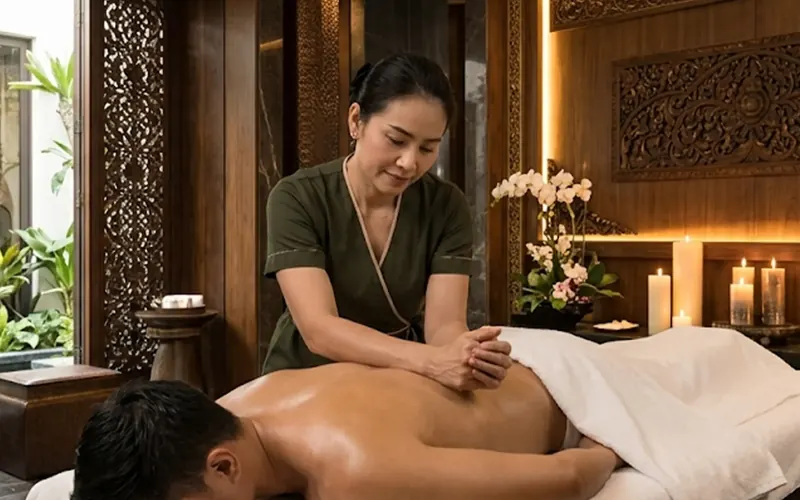
Thai massage is a traditional bodywork practice from Thailand that combines rhythmic pressure along the muscles with assisted, yoga-like stretches. Instead of lying still while the therapist works on you, you are moved gently into positions that open the hips, stretch the legs and lengthen the back.
It is an active, energising style. Guests often say they leave feeling taller and looser, as though they have done a full stretching routine without any of the effort.
Nuad Thai: A Recognised Cultural Tradition
In Thailand, the tradition is called Nuad Thai. In 2019 UNESCO inscribed "Nuad Thai, traditional Thai massage" on its Representative List of the Intangible Cultural Heritage of Humanity, recognising it as a living tradition passed down through generations of practitioners.
Nuad Thai has long been taught in Thailand alongside traditional medicine, and temples have historically played a role in preserving and teaching it. Practitioners learn a sequence of pressure and stretching techniques that work through the whole body, traditionally from the feet upwards.
Traditional teaching describes the body in terms of energy lines, called sen, along which pressure is applied. Whether or not you follow that framework, the practical effect is a systematic, head-to-toe sequence of pressure and stretching.
Source: UNESCO Intangible Cultural Heritage: Nuad Thai, traditional Thai massage
The Main Techniques
Palm pressure
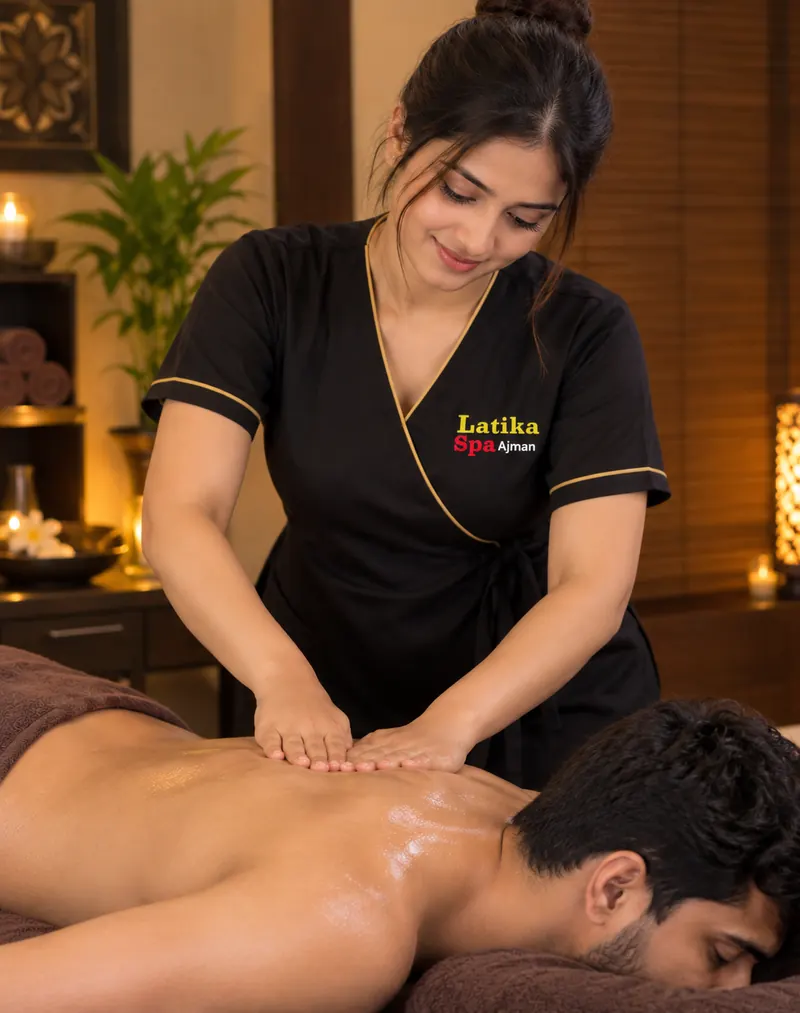
The therapist leans their body weight through the palms in slow, rhythmic presses along the legs, back and arms. The rhythm is steady and almost meditative.
Thumb pressure
More focused pressure with the thumbs along specific lines of muscle, for example along the inner leg or beside the spine.
Assisted stretches
The defining feature of the style. The therapist guides your limbs into stretches: drawing a knee towards the chest, rotating the hip, lengthening the hamstrings, gently twisting the spine. You stay relaxed while they do the work.
Rocking and compression
Gentle rocking and rhythmic compression help muscles release before and after a stretch.
Using the whole body
Experienced therapists use their forearms, knees and feet as well as their hands to apply steady pressure and support your limbs during stretches.
What Happens During the Session
- Consultation. Tell your therapist where you feel stiff, how you move day to day and about any injuries, joint problems or health conditions.
- Getting ready. Your therapist explains how the session is set up and what to wear, then gives you privacy to get ready.
- Feet and legs. Following tradition, the session usually starts at the feet and works up through the legs with palm and thumb pressure.
- Hips and lower body stretches. Assisted stretches open the hips and lengthen the backs of the legs.
- Back, shoulders and arms. Pressure along the back, then stretches for the shoulders and arms.
- Gentle twist and finish. Many sessions end with a gentle spinal twist and calming pressure, followed by a few minutes' rest.
How It Feels
It feels active. The pressure is rhythmic and steady, and the stretches can feel deep, especially in tight hips and hamstrings. A good stretch should feel like a strong, satisfying pull, never pain. Tell your therapist the moment a stretch goes too far and they will ease it back.
Afterwards, many guests feel loose, light and more mobile. Some feel energised rather than sleepy, which makes it a good choice earlier in the day.
Who It May Suit
- People who feel stiff and restricted, especially in the hips, legs and lower back
- Drivers and desk workers whose hips stay bent for hours
- Gym-goers who want to improve how freely they move between sessions
- Guests who prefer an active session to lying still
- Guests who prefer little or no oil
When to Be Careful
Because the session includes stretching, it is important to share your health history. Speak to a doctor before booking, and tell your therapist before the session, if you have:
- A recent injury, sprain or fracture
- Joint replacements or recent surgery
- A diagnosed spine or disc problem
- Osteoporosis or fragile bones
- A heart condition or uncontrolled blood pressure
- Any condition for which a doctor has advised against stretching or massage
Your therapist can leave out stretches that are not suitable and adjust the session around you.
Session Details and Price
| Detail | At Latika Spa |
|---|---|
| 60-minute session | AED 99 |
| 90-minute session | AED 150 |
| Pressure | Medium, with assisted stretching |
| Focus | Hips, legs, back and shoulders |
| Languages | English and Thai available |
| Hours | 24 hours a day, 7 days a week |
| Payment | Visa, Mastercard or cash |
60 or 90 minutes?
A traditional sequence takes time. In 60 minutes, your therapist can work through the main areas and key stretches. In 90 minutes, the sequence becomes fuller and more relaxed, with longer holds and more time for the hips and back. Many regulars prefer the longer session.
Meet the Stretching Specialists
Our therapists here specialise in this tradition, and each has at least five years of hands-on experience. All have been trained by our Wellness Director, Anjali Menon, on our house standard of listening before starting.
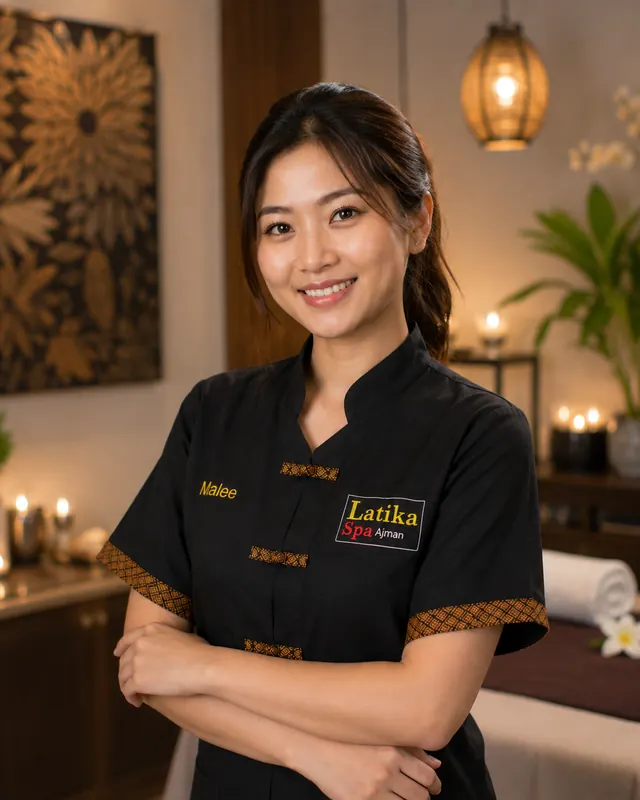 Malee
Malee
Specialist- Experience
- 7 years
- Languages
- English, Thai
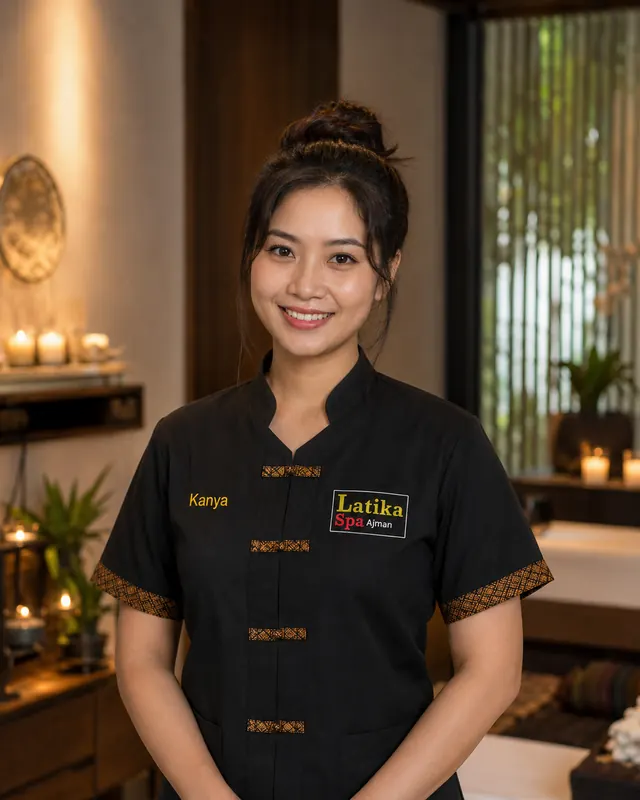 Kanya
Kanya
Specialist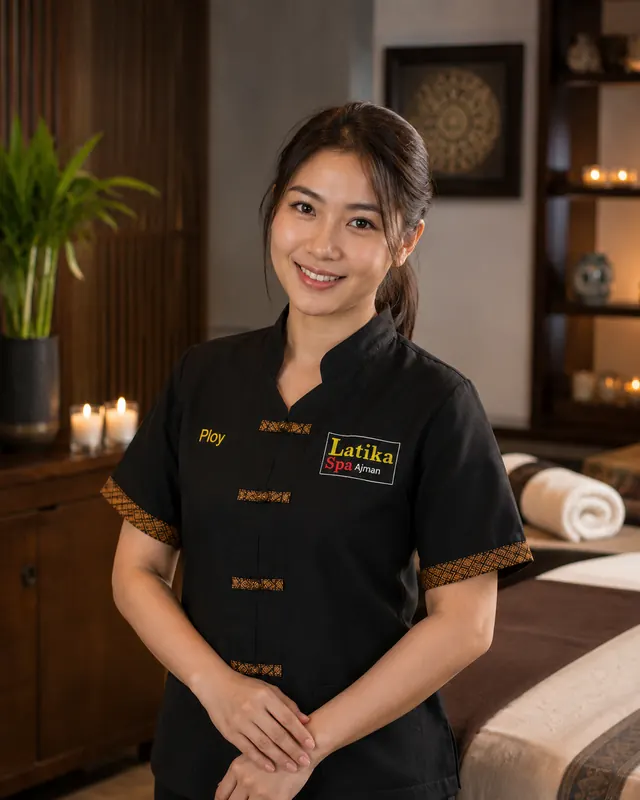 Ploy
Ploy
Specialist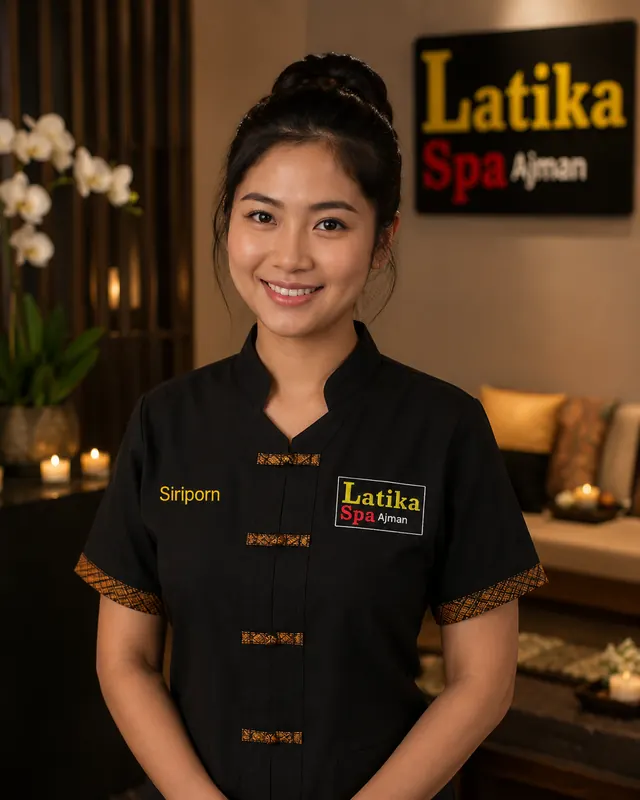 Siriporn
SpecialistMalee has seven years of experience, with particular focus on hip and lower-body stretching, and speaks English and Thai. Ask for any therapist by name when you book.
How to Prepare
- Eat lightly. Stretches that bring the knees towards the chest are uncomfortable on a full stomach.
- Tell your therapist how flexible you are, honestly. There is no need to impress anyone.
- Mention any joint that clicks, aches or has been injured.
- Come with time to spare, so you are calm when the stretching starts.
Aftercare
- Stand up slowly and take a few steps around the room.
- Drink water.
- Keep moving gently. A short walk later in the day helps you hold on to the looseness.
- Avoid intense training immediately afterwards, especially heavy leg work.
- Notice which stretches felt best and ask for them next time.
Common Myths
"It is only for flexible people." The opposite is closer to the truth. Stiff people often notice the biggest difference.
"It has to hurt." Strong stretches can feel intense, but they should never be painful. A skilled therapist reads your body and stays within a comfortable range.
"It is just stretching." Rhythmic pressure along the muscles is just as important as the stretches. The two work together throughout the session.
The Stretches You Can Expect
Every session is adapted to the guest, but these are some of the stretches you are likely to experience.
| Stretch | Area | What it feels like |
|---|---|---|
| Knee to chest | Lower back, hips, glutes | A gentle opening across the lower back |
| Hamstring lift | Back of the thigh | A long pull from the knee to the hip |
| Hip rotation | Hip joint | A circular loosening deep in the hip |
| Butterfly | Inner thighs | A stretch along the inside of the legs |
| Arm and shoulder pull | Shoulders, chest | An opening across the front of the shoulders |
| Seated or lying twist | Spine, sides of the back | A gentle wringing-out of the back |
Your therapist will hold each stretch only as far as feels comfortable. You can ask them to skip any stretch at any time.
Breathing Through the Stretches
Breathing makes a real difference here. When a stretch begins, breathe in slowly. As you breathe out, let the muscle soften and allow the therapist to take the stretch a little further. Holding your breath makes the muscle resist. Many therapists time their movements to your breathing, so slow, relaxed breaths help the whole session flow.
For Drivers and Desk Workers
Sitting for long hours keeps the hips bent and the hamstrings shortened. Over time, standing up straight, bending down or turning to look behind you starts to feel stiff. This style is particularly well suited to this pattern, because the stretches work on exactly the areas that sitting shortens: the hips, the backs of the legs and the lower back.
Guests in these jobs often notice that they move more freely for several days after a session. Combining these sessions with a few simple stretches at home, and getting up from your seat every hour, helps that feeling last.
A Note on Culture and Setting
In Thailand, many practitioners begin a session with a moment of quiet respect, and the traditional greeting, the wai, made with palms pressed together and a slight bow, is a common courtesy. You will not be expected to know any customs at Latika Spa, but our therapists bring the same calm, respectful approach to every session.
What to Wear
Traditionally it is given on a floor mat with the client wearing loose, comfortable clothing, because of the amount of movement involved. Spas around the world adapt this setting in different ways. When you arrive at Latika Spa, your therapist will explain how your session is set up and what to wear, then give you privacy to get ready. If you have any preference, mention it when you book.
Whatever the setup, you will be covered and comfortable throughout, and you can ask for an adjustment at any time.
If this is your first time, tell your therapist. They will explain each stretch before it begins, so nothing comes as a surprise, and they will keep the first session within a gentle range so you can learn how your body responds. Next time, you can ask them to go further if you enjoyed it.
A Note on Health
This style may help ease everyday stiffness and support relaxation. It is not medical treatment and does not diagnose or cure any condition. If you have an injury or health condition, speak to your doctor first and tell your therapist before the session. Read our medical disclaimer.
Why Guests Choose Latika Spa for Thai Massage
Five quick checks before you book.
Verify Us First
Ajman DED Licence No. 114732, rated 4.9 from 944 Google reviews.
See our Google profileKnow Who Treats You
Malee, Kanya, Ploy and Siriporn lead this style.
Meet the therapistsOne Written Price
One price for every style. Nothing added at the end.
Reserve your timeEasy to Reach
Al Rawda 3, Ajman. Free parking nearby.
Get directionsFacts at a Glance
- Style
- Thai Massage
- Pressure
- Medium, with stretching
- Focus
- Hips, legs, back
- Best for
- Stiffness and restricted movement
- Price
- AED 99 / 60 min · AED 150 / 90 min
- Hours
- Open 24 hours, 7 days
Before You Try It: Common Questions
Does Thai massage involve stretching?
Yes. Assisted stretching is what makes this style distinctive. Your therapist moves your arms, legs and back into stretches, always within a range that feels comfortable to you.
Do I need to be flexible for Thai massage?
No. It is often most useful for people who feel stiff. Your therapist works within your current range and never forces a stretch.
Is Thai massage done with oil?
In Thailand, the traditional form is usually given without oil, with the client clothed. Your therapist at Latika Spa will explain how your session is set up and what to wear when you arrive.
Why does a Thai massage often start at the feet?
Traditional sequences usually work from the feet upwards, through the legs and hips to the back, shoulders and head. Starting at the feet also helps you settle before the bigger stretches begin.
Is Thai massage suitable if I have back problems?
If you have a diagnosed back condition, disc problem or recent injury, ask your doctor before booking and tell your therapist before the session. They will avoid stretches that are not suitable for you.