Quick answer: Moroccan massage at Lathika Spa is a medium-pressure, full-body style inspired by the Moroccan hammam tradition of cleansing, warmth and renewal. It uses slow, warming strokes and rhythmic pressure to leave you feeling refreshed from head to toe. It costs AED 99 for 60 minutes or AED 150 for 90 minutes and is available 24 hours a day.
Key Takeaways
- Moroccan massage is a warming full-body style inspired by the hammam.
- It is different from a Moroccan bath, which adds steam and a scrub.
- Tell your therapist about any nut or oil allergy before the session.
- AED 99 for 60 minutes or AED 150 for 90 minutes, 24 hours a day.
- DED Licence 114732
- 4.9 from 944 Google reviews
- Open 24 Hours · 365 Days
- Therapists with 5+ years' experience
What Is Moroccan Massage?
Moroccan massage is a warming, full-body style inspired by the hammam, the traditional bathhouse at the heart of daily life in Morocco and across North Africa. Its purpose is renewal: to leave you feeling clean, warm, light and refreshed from head to toe.
Where some styles concentrate on one problem area, this one treats the whole body as one. The strokes are slow and warming, the pressure is a comfortable medium and the session flows from one area to the next. It is the style to choose when you do not have a specific ache, but feel run-down, heavy and in need of a reset.
The Hammam: Where It Comes From
For centuries, the hammam has been one of the most important places in a town, alongside the mosque, the bakery and the market. Traditionally, people visit the hammam once a week or more, not as a luxury but as part of ordinary life. It is a place to get clean, to rest and to meet friends and neighbours.
A traditional hammam visit follows a familiar rhythm:
- Warmth. You sit in a series of increasingly warm rooms filled with steam, letting the heat open the skin and relax the muscles.
- Black soap. A soft, olive-based soap known as savon beldi is spread over the skin and left to work.
- The scrub. An attendant scrubs the body with a coarse glove called a kessa, removing dead skin and leaving the body feeling remarkably clean.
- Clay and rinse. Some hammams use ghassoul, a mineral clay from the Atlas Mountains, before a final rinse.
- Massage and rest. The ritual often ends with bodywork and a period of rest, sometimes with mint tea.
The treatment draws on the final, most restful part of that ritual: warmth, slow strokes and a sense of being renewed.
Argan Oil and Moroccan Tradition
No ingredient is more closely associated with Morocco than argan oil. It is pressed from the kernels of the argan tree, which grows in the semi-arid south-west of the country. For generations, Amazigh (Berber) women have gathered the fruit, cracked the hard nuts by hand and pressed the kernels for oil used in food, skin care and hair care.
In 2014, UNESCO inscribed "Argan, practices and know-how concerning the argan tree" on its Representative List of the Intangible Cultural Heritage of Humanity.
Source: UNESCO Intangible Cultural Heritage: Argan, practices and know-how concerning the argan tree
If you have a sensitivity to any oil, including nut-based oils, tell your therapist before your session so they can choose a suitable alternative.
The Main Techniques
Warming strokes
Long, broad strokes with the palms warm the skin and muscles, echoing the heat of the hammam's warm rooms.
Rhythmic palm pressure
Steady, rhythmic pressure moves across the back, shoulders and legs, helping the body settle into the session.
Kneading the large muscles
Gentle to medium kneading of the shoulders, back and thighs eases the heaviness many guests arrive with.
Full-body flow
The therapist moves from the back to the legs, arms, hands and feet without breaking the rhythm, so the session feels like one continuous movement.
Slow, calming close
Lighter strokes over the whole body bring the session to a gentle end, followed by a few minutes of rest.
What Happens During the Session
- Consultation. Tell your therapist how you feel, whether any area needs extra time and whether you have any injuries, skin sensitivities or oil allergies.
- Getting comfortable. You have a few minutes alone to lie down under fresh towels, which stay in place for the whole session.
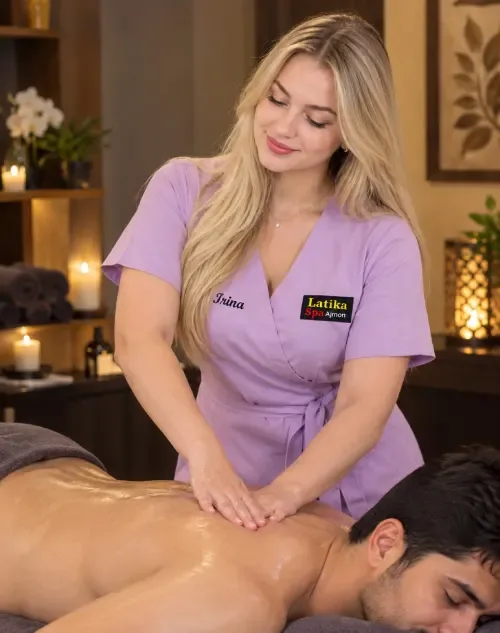
- Warming the back. The session starts with broad, warming strokes across the back and shoulders.
- Full-body work. The therapist continues through the legs, arms, hands and feet with rhythmic pressure and gentle kneading.
- Return to the back. Many sessions return to the back and shoulders for a final, slower sequence.
- Rest. Lighter strokes close the session, then you rest for a few minutes before getting up.
How It Feels
It feels warm, flowing and restoring. The pressure is enough to reach tired muscles but never so firm that you need to brace. Because the whole body is covered evenly, guests often describe feeling "lighter" afterwards, as though a weight has been lifted rather than a single knot released.
It is relaxing without being sleepy for most people. Many guests leave feeling refreshed rather than drowsy, which makes it a good choice before an evening out or after a long journey.
Who It May Suit
- You feel tired, heavy or run-down and want a complete reset
- You do not have one specific sore spot but feel tension everywhere
- You enjoy warmth and slow, flowing strokes
- You grew up with the hammam tradition and want a familiar feeling
- You want a full-body massage at a comfortable medium pressure
When to Check With a Doctor First
Speak to your doctor before booking, and tell your therapist before the session, if you have a fever or infection, a skin condition, an allergy to nuts or oils, a recent injury or surgery, a blood clot, a heart condition, uncontrolled blood pressure or any condition for which a doctor has advised against massage.
Session Details and Price
| Detail | At Lathika Spa |
|---|---|
| 60-minute session | AED 99 |
| 90-minute session | AED 150 |
| Pressure | Medium |
| Focus | Full body |
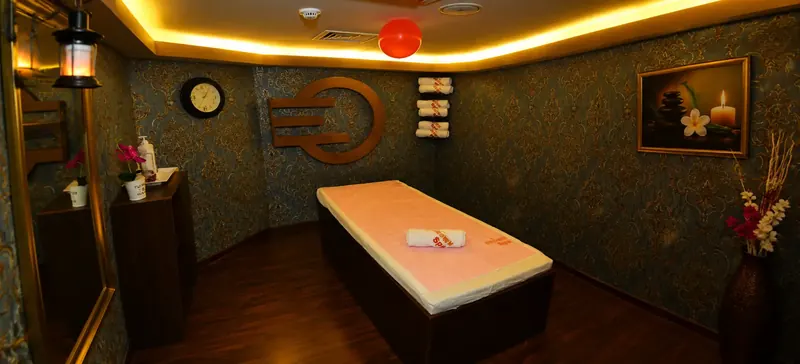
| Setting | Private treatment room |
| Hours | 24 hours a day, 7 days a week |
| Payment | Visa, Mastercard or cash |
60 or 90 minutes?
Sixty minutes gives a complete, unhurried full-body session. Ninety minutes is closer to the spirit of the hammam, where nobody rushes: longer strokes, more time on the back and shoulders and a slower finish.
Who Gives This Treatment?
Moroccan massage is given by Kavita and Irina, experienced therapists who also practise the Indian and Russian styles. Like every therapist at Lathika Spa, each has at least five years of hands-on experience and has been trained by our Wellness Director, Anjali Menon. Mention either name when you book on WhatsApp.
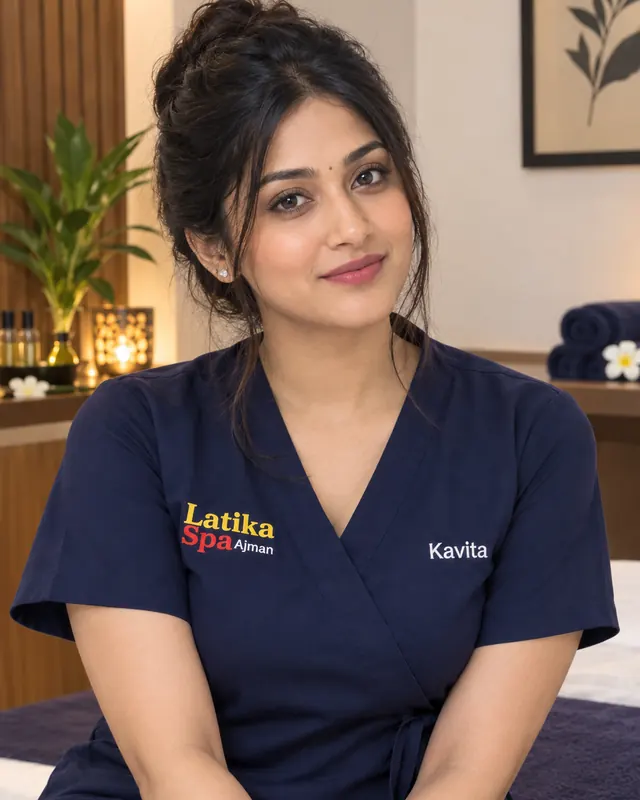 Kavita
Also Indian- Experience
- 8 years
- Languages
- English, Hindi
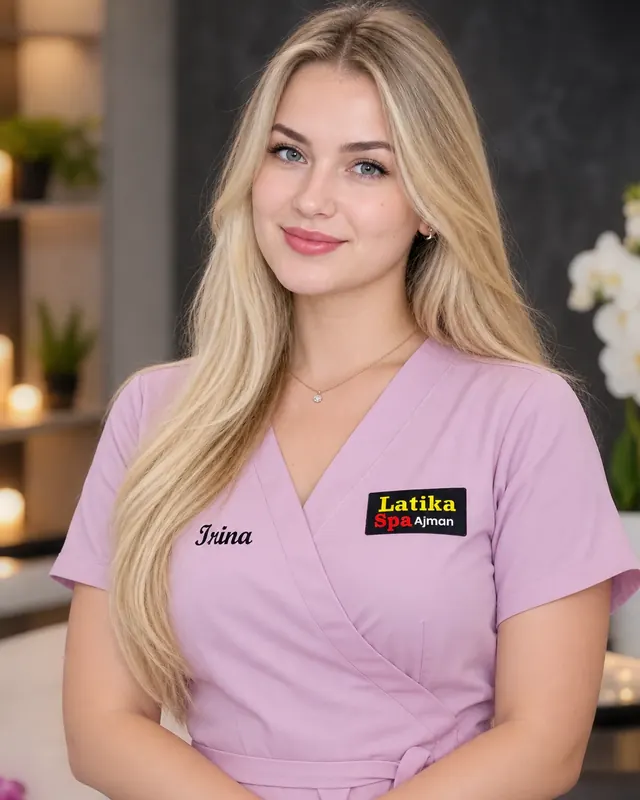 Irina
Irina
Also RussianHow to Prepare
- Drink water during the day, especially in summer.
- Eat lightly in the hour or two beforehand.
- Mention any skin sensitivity or allergy to nuts or oils.
- Allow time to rest afterwards, in the spirit of the hammam.
Aftercare
- Rest for a few minutes after the session ends.
- Drink a glass of water, or a warm drink when you get home.
- Shower when you are ready. There is no rush.
- Keep the rest of the day calm if you can.
- Take a moment before driving after a late-night session.
Bringing a Hammam Habit Into Your Routine
In Morocco, the hammam is a weekly habit, not a once-a-year treat. The idea behind it is simple: regular time set aside for warmth, cleanliness and rest helps you cope with everything else. You do not need to visit weekly to borrow that idea. Many guests book a Moroccan session whenever they notice they are feeling dull and tired, or at the end of a demanding month, as a deliberate reset.
The Spirit of North African Hospitality
In Morocco, hospitality is a point of pride. Guests are welcomed with mint tea, nobody is hurried and time spent caring for the body is treated as normal, not indulgent. We try to bring a little of that spirit to every session: a calm welcome, no rush, and time to rest at the end before you head back into your day.
A Pressure Guide
The style is designed to sit at a comfortable medium pressure. Use this guide to tell your therapist what you want.
| Preference | What to say | What changes |
|---|---|---|
| Very relaxing | "Lighter, please" | Broader, softer strokes, more warmth |
| Balanced | "Medium is fine" | The standard Moroccan session |
| More focus | "A bit firmer on my back" | Firmer kneading on the back and shoulders |
You can change your mind at any point during the session.
Hammam Customs Worth Knowing
If you ever visit a hammam in Morocco, a few customs are useful to know:
- Hammams usually have separate times or sections for men and women.
- Visitors bring their own black soap, kessa glove and towel, though tourist hammams provide them.
- The scrub is vigorous; locals consider it the most important part of the visit.
- Afterwards, people rest and rehydrate before heading home.
Our treatment brings the restful final part of that ritual to a private room in Ajman, at any hour.
Common Myths
"It is the same as a Moroccan bath." A Moroccan bath is a full bathing ritual with steam and a scrub. This style is a massage inspired by the end of that ritual.
"It is only about the skin." Warmth and oil are important, but the rhythmic pressure and kneading work on the muscles too.
"It is too gentle to make a difference." Many guests who arrive feeling heavy and tired leave feeling noticeably lighter. Medium pressure is often more restoring than very firm work when you are simply exhausted.
When to Choose a Moroccan Massage
The treatment is at its best in a few particular situations:
- After travel. Long flights or drives leave the whole body stiff and dull. A full-body, warming session helps you feel human again.
- At the end of a demanding month. When tiredness has built up everywhere rather than in one place.
- When you feel cold and tense from air-conditioning. The warming strokes are especially welcome during the summer months.
- Before an important day. Many guests find it leaves them refreshed rather than sleepy.
In each case, tell your therapist how you are feeling in the consultation. If you have just come off a long flight, for example, they may spend more time on the legs and lower back, which tend to stiffen most when you sit for hours.
A Note on Health
Massage may help you relax and ease everyday muscle tension. It is not medical treatment and does not diagnose or cure any condition. If you have an injury or health condition, speak to your doctor first and tell your therapist before the session. Read our medical disclaimer.
Why Guests Choose Lathika Spa for Moroccan Massage
Five quick checks before you book.
Verify Us First
Ajman DED Licence No. 114732, rated 4.9 from 944 Google reviews.
See our Google profileKnow Who Treats You
Kavita and Irina lead this style.
Meet the therapistsOne Written Price
One price for every style. Nothing added at the end.
Reserve your timeEasy to Reach
Al Rawda 3, Ajman. Free parking nearby.
Get directionsFacts at a Glance
- Style
- Moroccan Massage
- Pressure
- Medium
- Focus
- Full body
- Best for
- Feeling heavy, dull and run-down
- Price
- AED 99 / 60 min · AED 150 / 90 min
- Hours
- Open 24 hours, 7 days
Questions From First-Time Guests
What is the difference between a Moroccan bath and a Moroccan massage?
A traditional Moroccan bath (hammam) is a bathing ritual with steam, black soap and a full-body scrub, often followed by bodywork. Moroccan massage is that final stage on its own: warming, full-body work inspired by that ritual.
Is Moroccan massage suitable for first-timers?
Yes. The pressure is medium and the session covers the whole body at a steady pace, so it is comfortable for most guests.
What is argan oil and why is it linked to Morocco?
Argan oil is pressed from the kernels of the argan tree, which grows in south-western Morocco. UNESCO recognised the practices and know-how around the argan tree as Intangible Cultural Heritage in 2014.
How will I feel after a Moroccan massage?
Most guests feel warm, light and refreshed. It is a good choice when you feel tired and heavy rather than sore in one place.
Is Moroccan massage a good choice after a long flight?
Many guests choose it after travel because it covers the whole body with warming strokes. Mention the journey in the consultation so your therapist can give extra time to the legs and lower back.