Around six in the evening, the Ajman Corniche fills up. Families spread out mats near the water, joggers find their rhythm along the promenade, and office workers finally trade their desks for open air. It looks like the healthiest hour of the day — and in many ways, it is. But ask a physiotherapist or a massage therapist what they notice about regular Corniche walkers, and you’ll hear something surprising: many of them are carrying more tension in their lower back, calves, and shoulders than people who don’t walk at all. This isn’t a reason to skip the walk. It’s a reason to understand what your body is actually doing during it and why a spa in Ajman Corniche has quietly become part of the routine for people who take their evening walks seriously. This piece isn’t about selling you a massage. It’s about explaining a pattern that’s common along the coast, and what to do about it before it turns into a bigger problem.
Why the Corniche Lifestyle Quietly Wears Down Your Body
The Humidity Factor
Ajman’s coastal air carries more moisture than the air a few kilometers inland. Humidity changes how your body regulates temperature during exercise — you sweat more, but evaporation is slower, so your muscles work slightly harder to cool themselves. Over weeks of daily walking, this can lead to subtle dehydration in muscle tissue, which shows up as stiffness the next morning rather than obvious soreness the same night.
Uneven Pavements and Posture
The Corniche path is beautiful, but it isn’t perfectly flat. Small inclines near the water, the camber of the walking track, and the habit of walking with a phone in hand all change how your hips and shoulders align. Do this daily for a year, and small postural habits become deeply set patterns — often felt as a dull ache on one side of the lower back rather than both.
Desk Work Before the Walk
Most people walking the Corniche in the evening have just come from an office chair. Hours of sitting shorten the hip flexors and round the shoulders forward. Walking doesn’t undo this — it layers on top of it. This combination is one of the most common reasons people search for a massage center in Ajman Corniche after a few months of an otherwise healthy routine.
The Difference Between Tiredness and Tension: A Simple Body Read
It helps to know the difference between two feelings that often get confused.
- Tiredness is a general, whole-body heaviness. It usually clears after a good night’s sleep.
- Tension is localized. It sits in one spot — often the neck, lower back, or calves — and doesn’t fully release with rest alone.
If you press your thumb into your calf or the base of your neck and feel a tight band or a knot rather than soft muscle, that’s tension, not tiredness. This is the signal that your body needs manual work, not just more rest.
Matching the Massage to the Way You Actually Live in Ajman
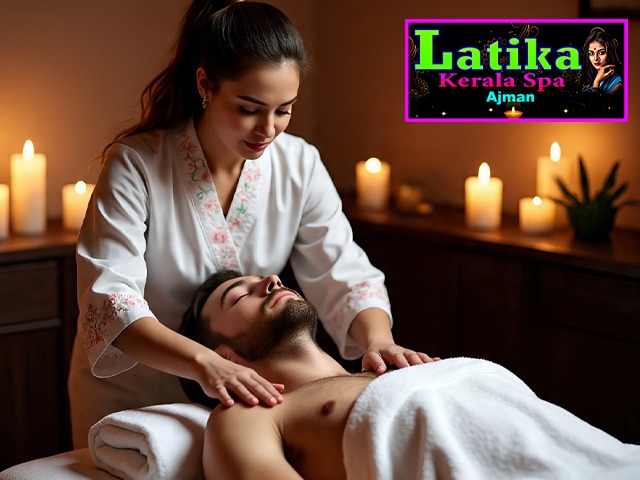
One of the most overlooked parts of wellness advice is that not every massage style suits every lifestyle. At Latika Spa Ajman, therapists are trained to ask about a client’s daily routine before recommending a technique, because the right match makes a measurable difference in recovery time.
For Desk Workers: Deep Tissue Massage
If most of your day is spent seated — typing, on calls, commuting — Deep Tissue Massage targets the deeper layers of muscle around the shoulders and lower back that build up chronic tightness from prolonged sitting. It’s slower and more deliberate than lighter techniques, working through tension layer by layer rather than skimming the surface.
For Corniche Walkers and Joggers: Thai Massage
Thai Massage combines stretching with pressure-point work, which suits people whose main strain comes from repetitive walking or light jogging. The assisted stretches help restore range of motion in the hips and calves that tightens from repeated forward motion on a flat, hard surface.
For Manual Workers and Heavy Lifters: Indian Massage or Pakistani Massage
For those whose work involves lifting, standing for long hours, or physical labour, Indian Massage and Pakistani Massage techniques use firm, rhythmic strokes that address fatigue built up in the shoulders, forearms, and lower back — areas that desk-focused techniques often don’t reach deeply enough.
For Deep Relaxation and Sleep Issues: Kerala Massage or Hot Oil Massage
Kerala Massage, done with warm herbal oils, is traditionally used to calm the nervous system as much as the muscles. Paired with a Hot Oil Massage, it’s often recommended for people dealing with poor sleep or general nervous tension rather than a single sore spot — a common request at a massage center Ajman Rashidiya residents and Corniche-area visitors alike tend to make during humid summer months.
For Sports Recovery or Deep Chronic Tension: Russian Massage
Russian Massage uses firmer, more clinical strokes and is often chosen by people recovering from sports strain or long-standing chronic tension that hasn’t responded to lighter techniques. It’s a good option for those who’ve tried general relaxation massage without lasting relief.
What a Good Spa in Ajman Should Actually Offer
Whether you’re searching for a spa in Ajman for the first time or switching from a previous one, a few standards matter more than décor or pricing.
Hygiene Standards
Fresh linens for every client, sealed and sanitized tools, and visibly clean treatment rooms aren’t optional extras — they’re the baseline. Ask staff directly about their sanitation routine between sessions; a well-run spa will answer without hesitation.
Therapist Expertise
Therapists should be able to explain why they’re recommending a particular technique based on your body, not simply offering the most expensive package. At Latika Spa Ajman, this consultation step happens before any session begins, which is a good marker to look for anywhere you go.
Safety and Contraindications
A responsible therapist will ask about recent injuries, pregnancy, high blood pressure, or skin conditions before starting. Deep Tissue and Russian Massage, in particular, aren’t suitable for certain medical conditions, and a good spa will say so rather than proceeding regardless.
A Simple At-Home Routine Between Spa Visits
Massage works best as part of a routine, not a one-time fix. Between visits to a massage center in Ajman Corniche, three simple habits help maintain results:
- Stretch calves and hip flexors for five minutes after any Corniche walk, while muscles are still warm.
- Hydrate before, not just after, exercising in humid conditions — your muscles need the moisture reserve going in.
- Alternate walking surfaces when possible, rather than the same stretch of pavement daily, to avoid repetitive strain on one side of the body.
None of these replace professional massage, but they extend how long its benefits last.
Most people don’t think about their evening walk as a source of physical strain — it feels like the healthy choice, and it is. But understanding what humidity, pavement, and posture are quietly doing to your muscles makes it easier to know when it’s time for proper recovery rather than just another early night. That’s really the role a spa in Ajman Corniche plays for a lot of regulars — not a luxury add-on, but a checkpoint for a body that’s working harder than it feels like it is. It’s the reason Latika Spa Ajman sees so many of the same faces from the Corniche walking crowd, week after week, simply keeping ahead of the tension before it becomes something worse.
Frequently Asked Questions
1. How often should I get a massage if I walk the Corniche daily? For most regular walkers, once every two to three weeks is enough to prevent tension from building into chronic tightness, though this varies based on individual muscle recovery.
2. Which massage is best for lower back pain from walking? Deep Tissue Massage or Thai Massage are generally most effective, depending on whether the pain comes from muscle tightness (Deep Tissue) or restricted movement (Thai).
3. Is Hot Oil Massage suitable for humid weather? Yes — Hot Oil Massage is often well-suited to Ajman’s climate since the oils help relax muscles without adding to dehydration, as long as you hydrate well afterward.
4. Can massage help with poor sleep, not just muscle pain? Kerala Massage in particular is traditionally associated with calming the nervous system, which can indirectly support better sleep alongside other healthy habits.
5. Are there any risks to getting a massage after intense exercise? Generally low risk, but it’s best to wait a few hours after intense activity and inform your therapist so they can adjust pressure accordingly, especially with Russian Massage.
6. What should I check before choosing a massage center in Ajman? Confirm hygiene practices, ask whether therapists conduct a pre-session consultation, and check that they ask about medical history before beginning treatment. Any reliable massage in Ajman should be transparent about these basics without you having to ask twice.