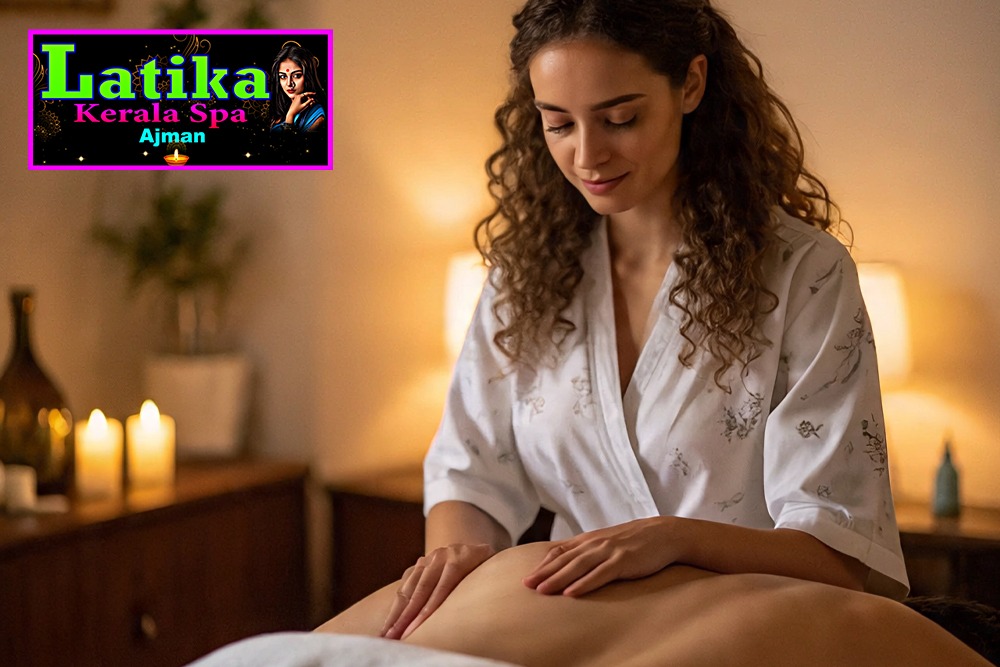
A friend of mine spent nine months booking whatever massage sounded fanciest that week. Hot stones one visit, something with a French name the next. She never felt much different afterward, and honestly, neither did her wallet. It wasn’t until a therapist actually asked her, “So what does a normal Tuesday look like for you?” that things changed. Turns out the answer to a good massage in Ajman isn’t hiding in the treatment menu at all — it’s hiding in your calendar. What you did with your body that day, that week, that month, matters more than which oil smells nicest.
This isn’t another list of massage types with pretty descriptions. It’s more of a “here’s what actually works for people who do X” kind of guide, built on how therapists in Ajman really think through a session before they even touch you.
The Problem With “Surprise Me”
I get it — sometimes you just want someone else to decide. But bodies aren’t interchangeable, and neither are their problems. Someone who’s been standing behind a till in City Centre Ajman for eight hours has a completely different set of knots than someone who’s been hunched over a laptop at their kitchen table since 7am.
A therapist who’s worth their salt will ask a few questions before starting. Not because it’s protocol, but because pressing hard into an already-inflamed shoulder, or applying deep pressure to someone who hasn’t eaten since breakfast, isn’t relaxing. It’s just uncomfortable.
Sitting all day does something specific to you
Desk work compresses the hips, rounds the shoulders forward, and jams tension right into the base of your skull. If that’s your week, a Deep Tissue Massage can genuinely help — but not on the first visit. Going in too aggressively on muscles that have never been worked before usually just leaves you sore for two days and less likely to come back.
Standing all day does something else entirely
Ask anyone who’s worked retail, hospitality, or a kitchen — it’s the calves and the lower back that take the beating. A Hot Oil Massage tends to make more sense here. The warmth loosens things up first, so whatever pressure comes after actually does something, instead of fighting against tight fascia the whole time.
Matching the Massage to the Week You’ve Actually Had
Screen-heavy days ? Indian or Kerala Massage
There’s a reason Indian Massage and Kerala Massage have stuck around for centuries instead of fading into spa-menu trivia. The rhythmic, oil-based strokes were built for exactly this — the shoulders creeping toward your ears, the jaw you didn’t even realize you’d been clenching. Kerala-style sessions often use warm herbal oils too, which helps if you’ve barely moved from your chair all day.
Physically demanding days ? Pakistani or Russian Massage
If your job actually uses your body — construction, warehouse work, moving furniture — you need something with more backbone. Pakistani Massage usually blends firm kneading with some joint mobility work. Russian Massage takes a more clinical, almost rehabilitative approach, closer to what you’d see used with athletes. Either way, this isn’t the gentle stuff. It’s built for bodies doing real mechanical work.
Mentally fried, physically fine ? Thai Massage
Here’s the thing about Thai massage in Ajman — it’s grown popular for reasons that have nothing to do with trends. It’s part stretch, part compression, and you stay clothed the whole time, which throws people off at first. But it genuinely helps when your body feels okay but your head hasn’t stopped racing in weeks. Less “lie there passively,” more active, therapist-guided movement.
What a Decent Therapist Should Ask Before You Lie Down
If nobody asks you anything before starting, that’s a small red flag, honestly. At a properly run spa in Ajman, expect a few of these:
Anything going on medically?
Pregnancy, recent surgery, high blood pressure, joint issues — all of it changes what’s safe. Deep pressure over an inflamed joint or a recent injury is a no.
What does “medium pressure” mean to you?
Everyone’s scale is different. A good therapist checks in early rather than assuming your “medium” matches theirs.
Any oil allergies?
Hot oil sessions use warmed carrier oils, and nut-based ones especially need to be flagged beforehand.
When did you last eat?
Deep work on a full stomach is genuinely unpleasant. A light meal an hour or so before is usually the sweet spot.
The Hygiene Questions Nobody Asks But Should
Spa marketing rarely touches this honestly, so here it is plainly. Before you book an Ajman massage anywhere, it’s fair game to ask:
- Are linens changed after every client, not just at closing time?
- Are tools and stones properly disinfected, not just wiped with a towel?
- Do therapists wash up or change gloves between clients?
- Is oil dispensed from a pump, not scooped from an open shared container?
A spa that answers without flinching usually takes this seriously. At Latika Spa Ajman, that’s just how things run day to day — not something you have to specially request.
So How Often Do You Actually Need One?
There’s this idea floating around that massage “only counts” if it’s weekly. Not really true. It depends on what you’re trying to fix:
- Chronic desk tension — every couple of weeks, roughly, before it piles back up
- Physical labor recovery — weekly during busy stretches
- General stress — once a month is often plenty to notice a real shift in sleep
- Post-travel or post-event — one focused session within a day or two of getting back
If a spa keeps pushing a rigid weekly package no matter what you actually do for a living, that’s worth questioning. It’s a sales tactic, not a recommendation. Most people booking Massage Ajman sessions regularly are simply managing an ongoing pattern — a job, a posture habit, a stress cycle — not chasing a fixed schedule for its own sake.
A Fairly Ordinary Ajman Example
Take someone doing a hybrid schedule — three days in an Ajman office, two from home, plus a toddler who’s up at 5am regardless of the day. Her tension isn’t from one obvious cause. It’s just accumulated — tight shoulders, a stiff neck, sleep that never feels complete. For someone like that, therapists at Latika Spa Ajman usually won’t jump straight to deep tissue. They’ll start with a moderate Indian or Kerala-style session first, then build up, because throwing intense pressure at a body that hasn’t had any bodywork in months tends to backfire the next morning. That’s the kind of honest call worth looking for — one based on your week, not whatever’s easiest to upsell.
FAQ
1. What’s actually different between Thai Massage and Deep Tissue Massage?
Thai massage is done clothed, using assisted stretching and compression, and it’s mostly about flexibility and movement. Deep tissue uses oil and firm, targeted pressure to work into chronic tension in specific spots.
2. Is Hot Oil Massage okay for sensitive skin?
Usually, yes — just mention any allergies upfront. Most therapists will switch oils or patch-test if your skin tends to react.
3. How do I even describe what pressure I want?
Skip the vague “medium” and describe your actual pain instead — something like “my neck’s tight by 3pm most days” tells a therapist a lot more than a number on a scale.
4. Can I get a massage in Ajman if my lower back already hurts?
Often, yes, though it depends why. Muscular tightness usually responds well. Anything disc- or nerve-related needs a doctor’s okay first.
5. How long should my first session be?
60 minutes tends to hit the sweet spot — enough time to actually get somewhere without overwhelming a body that isn’t used to it.
6. Is soreness afterward normal?
Mild soreness, similar to how you feel after a workout, is common after deep tissue or firmer Pakistani-style sessions. Sharp or lingering pain isn’t normal, and it’s worth flagging to the therapist right away.
Closing Thought
Picking between Thai, Kerala, or a firmer deep tissue session isn’t really about which one sounds the most indulgent on paper. It’s about matching the treatment to whatever your body’s actually been dealing with that week. That’s more or less the approach at Latika Spa Ajman — a quick conversation before any oil comes out, so the hour you spend on the table actually deals with what brought you in, whether that’s a desk job, a physically demanding one, or just a week that didn’t leave you room to breathe.