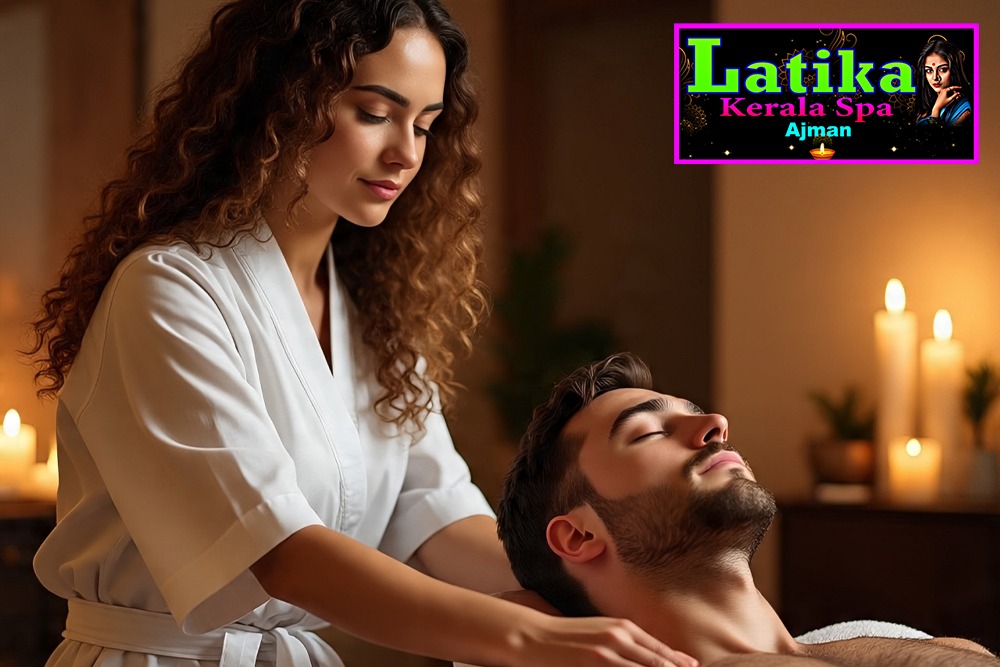
Most people walk into a spa in Ajman the same way they order coffee — by habit, not by need. They ask for “something relaxing” and let the therapist decide. It works, sort of. But if you’ve ever left a massage feeling good for an hour and stiff again by the next morning, the problem probably wasn’t the therapist. It was the mismatch between the treatment and what your body actually does all day.
Ajman is a small emirate with a surprisingly wide range of daily grinds. There are warehouse supervisors on their feet for ten hours near the industrial zones, corniche-side office workers hunched over laptops, delivery riders navigating traffic in thick humidity, and parents juggling school runs across the bridge into Sharjah. Each of these bodies is under a completely different kind of stress, and yet most people choose their massage the same generic way. This guide takes a different approach — matching massage types to real routines, so the next time you book a massage center in Ajman, you’re choosing with intention.
Why “Just Relaxing” Isn’t Always the Right Goal
Relaxation is a nice side effect, but it isn’t a treatment plan. A massage therapist worth trusting will ask questions before touching a single muscle: How do you sit at work? Do you drive long distances? Is the pain sharp or dull? Muscle tension has a cause, and good therapy works backward from that cause rather than forward from a generic routine.
At Latika Spa Ajman, therapists are trained to spend the first few minutes of a session simply listening — checking posture, asking about pain points, and adjusting pressure zones before starting. That short conversation often changes the entire treatment plan, and it’s the difference between a massage that feels nice and one that actually corrects something.
The Three Questions Worth Asking Yourself First
Before booking, it helps to answer three simple questions:
- Do I sit for most of the day, or stand?
- Is my pain concentrated (lower back, shoulders) or spread across my whole body?
- Am I looking for recovery, stress relief, or better sleep?
The answers point toward very different treatments, which is exactly why the next section breaks massage types down by lifestyle rather than by menu description.
Matching Massage Types to Real Ajman Routines
For Desk-Bound Professionals: Deep Tissue Massage
If your day involves eight hours of screen time and a commute along Sheikh Khalifa bin Zayed Street, your shoulders and neck are likely carrying tension you don’t even notice until someone presses on them. Deep tissue massage targets the deeper layers of muscle and connective tissue, working out the knots that build up from prolonged sitting. It’s firmer than most people expect on a first visit, and slight soreness the next day is normal — a sign the muscle fibers were actually released, not just surfaced over.
For Warehouse and Logistics Workers: Hot Oil Massage
Physical labor creates a different kind of fatigue — muscle fibers that are overworked rather than just tight. Hot Oil Massage uses warmed oil to improve blood circulation and loosen muscles that have been under repetitive strain, which is often more soothing for laborers than deep pressure work. The heat itself does part of the job before the therapist’s hands even begin.
For High-Stress, High-Anxiety Days: Thai Massage
Thai Massage is less about oil and more about movement — stretching, compression, and rhythmic pressure along energy lines. It suits people whose stress shows up as mental fog or restlessness rather than pure muscle pain. Office managers juggling deadlines often respond better to this style than to slow, oil-based treatments, simply because the active stretching keeps the mind engaged rather than drifting into overthinking.
For Chronic Back and Joint Discomfort: Russian Massage
Russian Massage is a more clinical, therapeutic style, often used for people managing long-standing back or joint discomfort rather than everyday tension. It combines gentle stretching with targeted pressure and is frequently recommended for older clients or anyone recovering from a minor strain, since the technique respects joint limits rather than pushing through them.
For Deep Relaxation With Cultural Familiarity: Indian and Pakistani Massage
For many residents of South Asian background living in Ajman, Indian Massage and Pakistani Massage offer a familiar rhythm — techniques rooted in traditional home remedies, often passed down through generations, using consistent kneading and pressure along the back and scalp. These styles are especially popular for stress that has built up over weeks rather than a single hard day.
For Full-Body Circulation and Flexibility: Kerala Massage
Kerala Massage, with its roots in Ayurvedic tradition, uses warm herbal oils and long, sweeping strokes designed to improve circulation and joint flexibility. It suits people dealing with general fatigue rather than one specific problem area, and many find it genuinely restorative for both muscles and mood.
Hygiene and Safety: What a Reputable Spa Should Never Skip
A few non-negotiables to look for at any massage in Ajman:
- Fresh, laundered linens for every single client, not just “clean-looking” ones.
- Therapists trained in anatomy, not just technique — they should know which pressure points to avoid for pregnant clients or people with high blood pressure.
- A private consultation before treatment, especially for first-time visitors with existing injuries.
- Clear communication about pressure levels throughout the session — you should always be able to ask for lighter pressure without awkwardness.
These aren’t luxury details. They’re the baseline that separates a professional wellness space from a rushed service.
How Often Should You Actually Go?
There’s no universal answer, but a rough guide helps: desk workers dealing with tension headaches often benefit from a session every two to three weeks, while people doing physical labor may need more frequent, shorter sessions focused on specific muscle groups. Chasing weekly appointments for the sake of routine isn’t necessary for most people — consistency matters more than frequency, and a well-matched treatment every few weeks usually outperforms a random one every week.
Listening to Your Body Between Visits
A massage isn’t meant to undo weeks of poor posture in sixty minutes. Simple habits between sessions — standing up every hour if you’re desk-bound, stretching your calves after long shifts on your feet, staying hydrated in Ajman’s humidity — extend the benefit of any treatment significantly. Therapists at Ajman Massage centers often mention this, but it’s easy to forget once you’re back at your desk the next morning.
FAQs
1. Which massage is best for lower back pain? Russian Massage and Deep Tissue Massage are generally the most effective for lower back discomfort, since both target deeper muscle layers with controlled pressure.
2. Is Thai Massage painful? It can feel intense due to the stretching and compression involved, but it shouldn’t be sharply painful. Communicating your comfort level with the therapist beforehand helps avoid unnecessary discomfort.
3. How long should a massage session last for best results? Sixty to ninety minutes is typically enough for most muscle groups to receive adequate attention without overworking the body.
4. Can I get a massage if I have high blood pressure? In many cases, yes, but it’s important to inform the therapist beforehand so they can adjust pressure and avoid certain techniques. A brief health consultation before treatment is a sign of a responsible spa.
5. What’s the difference between Kerala Massage and Hot Oil Massage? Kerala Massage follows Ayurvedic principles with herbal oils and long strokes for overall wellness, while Hot Oil Massage focuses more directly on muscle relaxation through heat and circulation.
6. How soon can I book a spa in Ajman after a minor injury? It’s best to wait until acute swelling or sharp pain has subsided, and to mention the injury during consultation so the therapist can avoid the affected area or adjust technique accordingly.
A Closing Thought
Choosing a massage shouldn’t feel like guessing off a laminated menu. Good Ajman Spa massage experiences come from matching treatment to routine, not from picking whatever sounds most relaxing on the day. Once you understand what your own routine is doing to your body, the decision becomes far easier — and far more effective. That kind of personalized approach is exactly what keeps regulars coming back to Latika Spa Ajman rather than trying a different name every month; it’s less about chasing relaxation and more about actually feeling like yourself again by the end of the week.