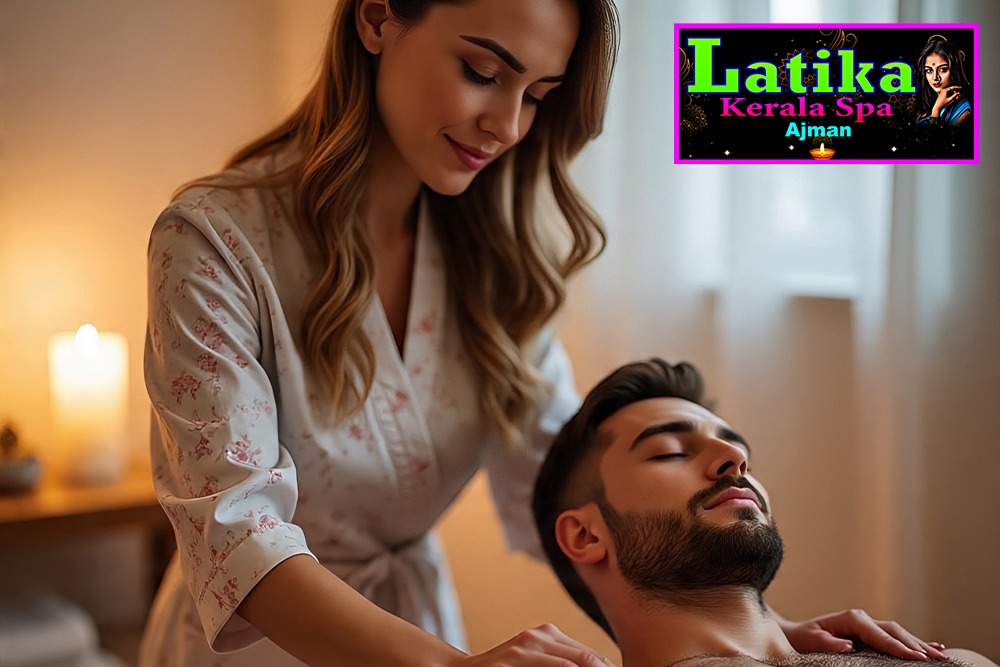
Nobody warns you about this when they move to Ajman. The beaches are lovely, the pace is calmer than Dubai, and the community feels close-knit — but somewhere between the humidity outside and the air conditioning inside, your body starts holding tension you didn’t ask for. Shoulders creep up toward ears. Lower backs stiffen after the drive from Al Nuaimiya to the Corniche. Sleep gets shallower, even when the day wasn’t particularly stressful. This isn’t in your head, and it isn’t really about stress management in the way most wellness articles frame it. It’s physiological — a mix of climate, posture, and repetitive movement patterns specific to life in this emirate. Once you understand the mechanism, choosing the right massage ajman residents actually benefit from becomes a lot less guesswork and a lot more targeted care. That’s the angle we want to unpack here, drawing on what therapists at Latika Spa Ajman see week after week in real client cases.
The Humidity-Tension Connection Nobody Talks About
Ajman’s coastal humidity does something specific to muscle tissue: it keeps the body in a low-grade dehydration cycle. You sweat more than you realize indoors and out, but because the air already feels heavy, thirst cues get dulled. Mildly dehydrated muscle fibers are stiffer, less elastic, and more prone to micro-spasms — which is why so many residents report tight calves, aching forearms, or a persistent knot between the shoulder blades that stretching alone never quite releases.
Add constant transitions between outdoor heat and indoor air conditioning, and the nervous system stays in a subtle state of alert. Blood vessels constrict and dilate repeatedly through the day. That’s a real physical cost, not just discomfort.
Why Stretching Alone Doesn’t Solve It
Stretching lengthens muscle temporarily, but it doesn’t address fluid retention in fascia or break up adhesions that form from repeated dehydration-stiffness cycles. This is where structured touch therapy earns its place — not as a luxury, but as maintenance. A well-executed massage in Ajman session increases local circulation, helps redistribute fluid through tissue, and gives fascia the mechanical input it needs to reset.
Matching the Massage Style to the Actual Problem
Not every technique solves every issue, and this is where a lot of spa marketing oversimplifies things. Here’s a more honest breakdown.
For Desk-Related Shoulder and Neck Tension
Office workers across Ajman Free Zone and the government sector spend seven to nine hours a day in fixed postures, often hunched toward screens. Deep Tissue Massage is the most appropriate response here because it works through multiple muscle layers to release the trapezius and levator scapulae — the two muscles most responsible for that “coat hanger” ache across the upper back. Therapists trained in this technique apply slow, sustained pressure rather than fast strokes, which matters: rushing deep tissue work can bruise tissue instead of releasing it.
For General Fatigue and Circulation Support
Hot Oil Massage remains one of the most effective options for combating the dehydration-stiffness cycle described earlier. Warm oil increases local blood flow and helps muscle fibers absorb the mechanical benefits of massage more readily than a dry technique would. It’s particularly useful during Ajman’s cooler winter evenings when muscles tighten further from temperature drops indoors.
For Deep Structural Reset
Thai Massage uses assisted stretching and compression along energy lines, which makes it genuinely different from Western-style techniques. It’s a strong option for people dealing with hip tightness from long commutes or prolonged sitting, since it opens joints passively rather than relying on the client to stretch actively.
For Full-Body Recovery After Physical Labour or Sport
Russian Massage techniques emphasize rhythmic, flowing strokes designed to calm an overstimulated nervous system while still working muscle tissue effectively. This suits residents managing high physical exertion jobs, or anyone whose tension is more nervous-system-driven than purely muscular.
For Traditional, Familiar Pressure Techniques
Indian Massage and Pakistani Massage styles, often requested specifically by South Asian residents in Ajman, use rhythmic kneading and joint mobilization rooted in generational practice. These techniques are especially effective for headache relief connected to neck tension, and many clients say the pressure style feels more intuitively “correct” for their body type and pain patterns.
For Therapeutic, Herbal-Infused Recovery
Kerala Massage stands apart because it incorporates warmed herbal oils formulated for specific concerns — joint stiffness, poor circulation, or chronic muscular fatigue. It’s a slower, more ritualistic technique, and therapists at Latika Spa Ajman who specialize in it often combine it with gentle heat therapy for clients managing long-standing tension rather than acute soreness.
What Hygiene and Safety Should Actually Look Like
Clean Linen Protocols
Fresh linens for every single client, not just “regularly changed” — ask directly if unsure.
Licensed, Trained Therapists
Therapists should be able to explain which technique suits your specific complaint and why, not just offer a generic menu.
Sanitized Equipment and Oils
Single-use or properly sanitized oil dispensers prevent cross-contamination, which matters more in humid climates where bacteria multiply faster.
Pressure Communication
A safe therapist checks in about pressure levels throughout the session, especially during deep tissue work, rather than assuming intensity preferences.
Facilities like Latika Spa Ajman that maintain visible hygiene protocols and employ therapists trained in multiple traditional techniques tend to give clients more consistent, safer outcomes than places offering a one-size-fits-all approach.
Realistic Expectations: How Often Should You Actually Go?
This is where most articles either oversell or stay vague. For chronic desk-related tension, once every two to three weeks tends to maintain results without becoming an unnecessary expense. For acute pain — a stiff neck after a long drive, or shoulder tension after a stressful work week — a single well-targeted session using deep tissue or hot oil technique is often enough to reset things. Athletes or physically demanding job holders benefit from more frequent sessions, roughly weekly, focused on Russian or Thai techniques for structural maintenance.
What doesn’t work is treating massage as a once-a-year indulgence and expecting long-term results. Muscle memory and tension patterns are cumulative; so is relief.
A Quiet Word on Choosing Where to Go
Ajman has no shortage of spas advertising quick fixes, but the difference between a forgettable session and one that actually changes how your body feels for days afterward usually comes down to therapist training and technique-matching, not ambiance alone. Not every massage spa ajman visitors try delivers that level of care, which is exactly why residents keep returning to places like Latika Spa Ajman rather than trying a new name every time — consistency in technique and hygiene standards tends to matter more long-term than a fancy reception area.
If your body has been holding onto tension you can’t quite explain, it might not be stress in the abstract sense — it might just be Ajman’s climate and your daily routine asking for a more specific kind of care. A well-matched session, whether that’s a Kerala Massage for chronic stiffness or a Deep Tissue Massage for desk-related knots, tends to answer that question more honestly than another cup of coffee ever will. For anyone in Ajman weighing where to start, Latika Spa Ajman remains a grounded, experience-backed option worth considering.
Frequently Asked Questions
1. What is the best massage in Ajman for chronic shoulder tension? Deep Tissue Massage is generally most effective for chronic shoulder and neck tension caused by desk work, since it targets deeper muscle layers rather than surface relaxation.
2. How often should I get a massage spa Ajman treatment for general maintenance? Every two to three weeks is a realistic maintenance schedule for most desk-based professionals managing ongoing tension.
3. Is Hot Oil Massage suitable for dry or sensitive skin? Yes, in most cases warm oil techniques actually benefit dry skin by improving hydration and circulation, though it’s worth mentioning any allergies to the therapist beforehand.
4. What’s the difference between Indian Massage and Pakistani Massage techniques? Both use rhythmic kneading and joint mobilization rooted in traditional practice, though specific pressure patterns and regional techniques can vary slightly by therapist training.
5. Can massage help with headaches caused by neck tension? Yes, particularly Indian Massage or Deep Tissue Massage focused on the neck and upper trapezius, which are common contributors to tension-type headaches.
6. How do I know if an ajman massage spa follows proper hygiene standards? Ask directly about linen changes per client, oil sanitation practices, and therapist licensing — reputable spas will answer clearly without hesitation.