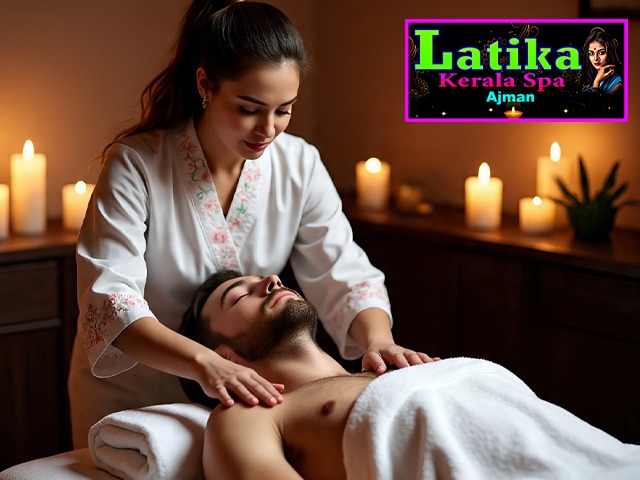
A therapist once told me something that stuck: she can usually guess someone’s daily commute just by where the knots sit in their back. Right shoulder blade, base of the skull, a stubborn line running down the lower spine — that’s the driver’s pattern. Ask a hundred people who cross between Sharjah and Ajman twice a day where it hurts, and you’ll hear the same three spots over and over. It’s not from lifting anything heavy. It’s from sitting still, tensely, for forty-five minutes at a time, several days a week, for years. That’s really the starting point for this piece. Not another rundown of “why massage is good for you” — everyone’s read that one. This is about a very specific, very local problem: what commuting between Sharjah and Ajman does to a body over time, and which parts of a proper spa massage sharjah routine actually address it, rather than just feeling nice for an hour.
Why the Body Remembers Every Red Light
Here’s the thing about traffic stress — it isn’t only in your head. Your shoulders creep up. Your jaw sets. Your hands grip the wheel harder than they need to, especially the thirty seconds before a light turns green when everyone’s inching forward. None of this is dramatic on its own. But do it twice a day, five or six days a week, and those muscles stop fully letting go even once you’re home on the sofa.
What’s Actually Tightening Up
The trapezius and levator scapulae — the muscles connecting your neck to your shoulder blades — usually go first. Not far behind is the lower back, particularly if the car seat doesn’t support the spine’s natural curve (and most factory seats, frankly, don’t do this well over long distances). Throw in the UAE’s relentless air-conditioning, which dries out tissue and slows circulation to the extremities, and you get a very specific kind of stiffness. It doesn’t respond to stretching alone the way ordinary muscle soreness might.
A decent therapist can usually feel this within the first couple of minutes — tight diagonal bands across the upper back, a neck that won’t rotate evenly both ways, and sometimes a shoulder that sits slightly higher on whichever side rests against the door.
What a Proper Spa Massage Sharjah Session Should Actually Do
Not every massage style solves this the same way, and honestly, this is where a lot of people get it wrong — they book whatever’s cheapest on the menu instead of asking what the tension actually needs.
Deep Tissue Massage, for the Knots Traffic Built
Deep tissue massage works slowly and deliberately into the deeper muscle layers, which is usually what gets results fastest for someone whose upper back has been locked in the same position for years. It’s not always comfortable — some moments genuinely aren’t — but a therapist who knows what they’re doing checks in constantly and keeps the pressure within a range you can actually tolerate, rather than pushing through pain for its own sake.
Hot Oil Massage, Undoing What the AC Took Away
A hot oil massage does something deep work alone can’t manage: it warms and rehydrates tissue that’s spent all day under freezing office and car air-conditioning. That warmth brings blood back to the surface muscles and makes everything more pliable before deeper work even starts. A fair number of therapists at a solid massage spa Sharjah residents keep going back to will actually open a session with hot oil for exactly this reason — it’s not indulgence, it’s preparation.
Kerala Massage, the Slow Reset Nobody Asks For But Everyone Needs
Kerala massage comes out of a long South Asian wellness tradition — rhythmic, full-body strokes with warm herbal oils. It’s less about attacking a knot and more about talking the nervous system down from wherever it’s been stuck all week. That matters more than people give it credit for, because chronic commute stress keeps the body in a low simmer of fight-or-flight. This is usually the one clients underestimate right up until they try it after a genuinely awful week.
Thai Massage, for Joints That Never Get to Move
Thai massage brings assisted stretching into the picture — the therapist uses their own body weight to guide you through ranges of motion your hips and lower back rarely get during hours of sitting. Unlike the oil-based treatments, it happens fully clothed on a mat, so it’s a different kind of session altogether if you’ve never tried it.
Russian Massage and Pakistani Massage, Two Different Roads to the Same Relief
Russian massage leans on rhythmic kneading and quicker, percussive movements, which suits people after a shorter, more invigorating session rather than a long, slow one. Pakistani massage tends to blend firm kneading with acupressure-style point work, and it’s popular with clients who want relief in one or two exact spots — the neck, usually, or that one shoulder — instead of a full-body treatment.
Picking the Right Spa in Sharjah — or Just Over the Border in Ajman
The type of massage matters, sure. But where you get it matters just as much, and a few things are worth checking before you book anywhere.
Hygiene and Safety, Beyond “It Looked Clean”
Fresh linens for every single client, not reused ones that just look fine. Therapists are actually trained in whatever modality they’re offering, not generalists doing a bit of everything. A private room with proper temperature control, not a shared space with a curtain pulled across. And someone at the front desk who actually asks about injuries or health conditions before the session starts, rather than assuming everyone’s fine.
Any decent spa in sharjah — or the handful of good ones just over the border in Ajman — should answer these questions without hesitation. If a receptionist gets vague when you ask who’s doing the massage or what their training is, that’s worth noticing.
How Often Is Actually Worth It
For commute-related tension specifically, once every two to three weeks tends to be the sweet spot. Go more often than that and the body doesn’t get enough time between sessions to really integrate the release. Go less often and the tension just climbs back to where it started before your next appointment. Think of it less like a spa day and more like a dental cleaning — routine maintenance, not a rescue mission.
A Weekly Routine That Doesn’t Require Overhauling Your Life
You don’t need to restructure your entire schedule around this. A few small things go a long way:
Start the car in the morning with a minute or two of shoulder rolls and neck stretches before pulling out of the driveway. Take an actual walk at lunch — even ten minutes — instead of staying seated the whole break. Book a massage spa sharjah session every two or three weeks, switching between Deep Tissue and Hot Oil depending on how the week’s gone. Drink more water than feels necessary, because dehydrated muscles cramp and tighten faster under constant air-conditioning. And if nothing else, adjust the lumbar support in your car seat — it sounds minor, but it changes how the lower back holds up over a forty-minute drive.
None of this is complicated. It just requires noticing the pattern instead of ignoring it until it turns into something worse.
People who’ve been making this drive for a while eventually settle into their own version of this routine. Some keep a standing appointment at Latika Spa Ajman every few weeks simply because it sits conveniently on the route home from work. Others treat it as more of an occasional reset — something they book after a week that was rougher than usual. Either way, the underlying idea holds: the tension built up slowly, so it tends to respond best to something consistent, not a single desperate session booked once the pain’s already unbearable. That’s really the case for treating a good sharjah spa visit as ordinary upkeep rather than an emergency measure — and it’s more or less what the therapists at Latika Spa Ajman tend to say to the regulars who keep making the same drive, week after week.
Frequently Asked Questions
1. How do I tell if this is just commute-related tension or something more serious? Commute-related tension usually feels like a tight, dull ache that eases somewhat with movement, heat, or a good stretch, and it tends to follow a predictable pattern based on how you sit while driving. Sharp or shooting pain, or numbness and tingling down an arm or leg, is a different situation entirely and worth a doctor’s visit rather than a massage booking.
2. I’ve never had a massage before — where should I start? Hot Oil Massage or Kerala Massage are usually the easiest entry points. Both rely on warmth and steady, rhythmic strokes rather than intense pressure, so they’re a gentler introduction before trying something firmer like Deep Tissue Massage.
3. Is massage safe if I have high blood pressure or a recent injury? It’s worth mentioning any medical condition or recent injury to your therapist before starting. A properly trained therapist will adjust their technique accordingly, or tell you outright if a particular style isn’t a good fit for you right now.
4. How long should a session actually be to make a difference? Somewhere around sixty to ninety minutes usually gives enough time to properly work through both the neck and shoulder area and the lower back, rather than rushing through one and skipping the other.
5. Does massage alone fix this, or do I need to change other habits too? Massage helps release tension that’s already built up, but it holds better if it’s paired with some posture awareness, regular movement through the day, and proper hydration. Otherwise, the same patterns tend to creep back in fairly quickly.
6. How long before I actually notice a difference? Most people feel looser shoulders and easier neck movement after just one or two sessions. Deeper, years-long tension usually needs several sessions spaced a few weeks apart before it really lets go.