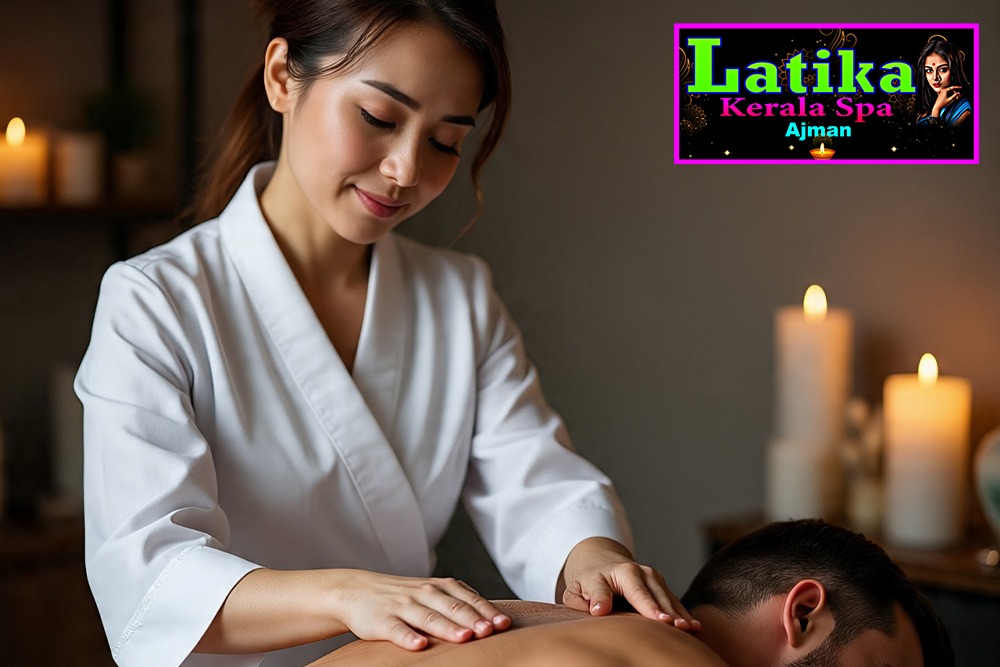
If you’ve ever finished an evening walk along Ajman Corniche and felt your neck tighten up instead of loosen, you’re not imagining it. The sea breeze that makes those walks so pleasant is also quietly working against your muscles. Combine that with hours spent hunched over a laptop or steering wheel during the day, and you’ve got a very specific — and very common — pattern of tension building in shoulders and upper backs across the city. This isn’t a generic “stress relief” story. It’s about a very local combination of humidity, wind exposure, sedentary routines, and how the body responds to sudden temperature shifts between air-conditioned interiors and Ajman’s outdoor heat. Understanding that combination is the first step to actually fixing it — and it’s why so many residents searching for a Thai massage in Ajman are, often without realizing it, looking for the right solution to this exact problem.
The Ajman Body: A Pattern Most People Don’t Notice
Talk to any experienced massage therapist in the emirate and they’ll describe the same recurring client profile: tight trapezius muscles, restricted hip flexors, and a lower back that “locks up” by mid-afternoon. It’s rarely from one dramatic injury. It’s cumulative.
Here’s the local mechanism worth understanding:
Wind and Humidity Change How Muscles Hold Tension
Cool, humid air off the Gulf causes superficial muscles — especially around the neck and shoulders — to contract slightly as a protective reflex. Do this daily during an evening walk, and the muscles never fully release before the next AC-to-heat transition begins the next morning.
Desk and Driving Postures Compound It
Ajman’s daily rhythm involves a lot of seated time — commuting, office work, and evening screen use. Seated postures shorten the hip flexors and pull the shoulders forward, which is why lower back and shoulder complaints often show up together, not separately.
The AC-to-Heat Cycle Adds Stress the Body Doesn’t Fully Adapt To
Stepping from a 22°C office into 38°C heat, multiple times a day, forces small vascular and muscular adjustments. Over weeks, this repeated adaptation contributes to the “constantly tired muscles” feeling many residents describe, even without intense physical activity.
None of this is dangerous on its own. But left unaddressed, it becomes the everyday stiffness people assume is just “normal” — when it isn’t.
Why Thai Massage Specifically Works Well for This Pattern
Not every massage style addresses this combination equally well. This is where the science of muscle mechanics matters more than personal preference.
Assisted Stretching Targets the Real Problem
Traditional Thai massage combines compression with assisted stretching along the body’s energy lines. Because Ajman’s tension pattern is largely about restricted range of motion — shortened hip flexors, tight shoulder girdles — a technique built around passive stretching addresses the root cause rather than just the surface symptom.
It Works With the Body’s Rhythm, Not Against It
Unlike purely pressure-based techniques, Thai massage moves the body through a sequence, gently coaxing joints and muscles back toward their natural range. For someone who’s been sitting rigidly for eight hours, this gradual approach is often more effective — and more comfortable — than deep, static pressure alone.
It Complements Other Techniques Rather Than Replacing Them
For pure muscular knots, especially in the upper back, a Deep Tissue Massage targets those areas directly. For general full-body fatigue and improved circulation, warm Hot Oil Massage can be more suitable, particularly for people newer to bodywork. A well-trained therapist doesn’t apply one technique to every complaint — they assess the specific pattern first, which is the same reasoning behind most well-run Ajman massage menus that offer more than one style.
At Latika Spa Ajman, therapists are trained to ask about daily routine — commute time, desk setup, outdoor walking habits — before deciding which approach to lead with. That short conversation is often the difference between a massage that feels nice for an hour and one that actually resolves recurring stiffness.
Beyond Thai: Matching the Technique to the Person
A good spa in Ajman won’t just offer a long menu — the staff should be able to explain, in plain terms, which of these fits your specific complaint.
Russian Massage
Firmer, rhythmic strokes designed to stimulate circulation and support recovery — often preferred by people who are physically active or recovering from minor strain.
Indian Massage
Traditionally incorporates warm oils and head-and-shoulder focus, which pairs well with the neck tension pattern common among desk workers.
Pakistani Massage
Known for firm, methodical pressure along the back and limbs, often chosen by clients who want a stronger, more structured session.
Kerala Massage
Rooted in Ayurvedic principles, using warm herbal oils and rhythmic strokes — a good option for people managing joint stiffness or chronic fatigue rather than acute muscle tightness.
A good spa in Ajman won’t just offer a long menu — the staff should be able to explain, in plain terms, which of these fits your specific complaint.
What Hygiene and Safety Should Actually Look Like
It reflects what a reasonable client should expect to see and ask about before booking.
Look for:
- Fresh linens and sealed oil bottles opened per session, not reused
- Licensed, trained therapists who ask about medical history and injuries before starting
- Clear communication about pressure levels and the ability to adjust mid-session
- A clean, ventilated treatment room — humidity control matters more in the UAE than in cooler climates, since it affects both comfort and hygiene
Avoid or question:
- Therapists who skip any intake conversation
- Facilities that can’t explain their oil or towel hygiene protocol when asked
- Extremely low prices that don’t account for proper staffing or product quality
Facilities like Latika Spa Ajman that operate near the Corniche area tend to see this exact client pattern daily, which is why intake conversations about posture, walking habits, and daily routine have become a standard part of the consultation — not an afterthought.
A Realistic Plan, Not a Quick Fix
One session helps. A pattern of sessions changes things. For the wind-and-desk combination described above, therapists generally recommend:
- Weeks 1–2: One session weekly, alternating Thai massage with Deep Tissue work on problem areas
- Weeks 3–4: Space sessions to every 10–14 days as flexibility improves
- Ongoing: Monthly maintenance, paired with basic daily stretching (five minutes, morning and evening)
This isn’t about chasing relaxation as a luxury — it’s about interrupting a physical pattern before it becomes a chronic one. Many people visiting spa in Ajman corniche locations for the first time are surprised how much a single, well-targeted session changes their sense of “normal” stiffness.
Frequently Asked Questions
1. How often should I get a massage if I walk the Corniche regularly? Once every two to three weeks is a reasonable baseline for maintenance; weekly sessions help during the first month if stiffness is already noticeable.
2. Is Thai massage too intense for a first-timer? Not if pressure is communicated clearly. A skilled therapist adjusts intensity to your comfort level throughout, especially during the stretching components.
3. Can massage help with tension caused by air conditioning? Yes — techniques like Hot Oil Massage improve circulation and help muscles that have been in a cool, contracted state relax more effectively than passive rest alone.
4. What’s the difference between Kerala Massage and Thai Massage? Kerala Massage uses warm herbal oils and Ayurvedic principles, focused on joint and systemic wellness. Thai Massage uses assisted stretching and compression, focused more directly on flexibility and range of motion.
5. Should I mention my desk job or driving habits before a session? Absolutely. This information helps the therapist choose the right technique and target the correct muscle groups instead of applying a generic full-body routine.
6. Is it normal to feel sore the day after a massage? Mild soreness, especially after Deep Tissue or Thai Massage, is common and usually resolves within 24–48 hours. Persistent or sharp pain should be discussed with the spa or a medical professional.
Understanding why your body holds tension the way it does — rather than just booking a massage because it sounds relaxing — makes the whole experience more useful. It’s this kind of informed approach that’s shaped how Latika Spa Ajman structures its consultations, treating each session as a response to a specific pattern rather than a one-size-fits-all treatment. Next time that post-Corniche stiffness sets in, it might be worth asking what’s actually causing it, not just how to numb it for an hour.