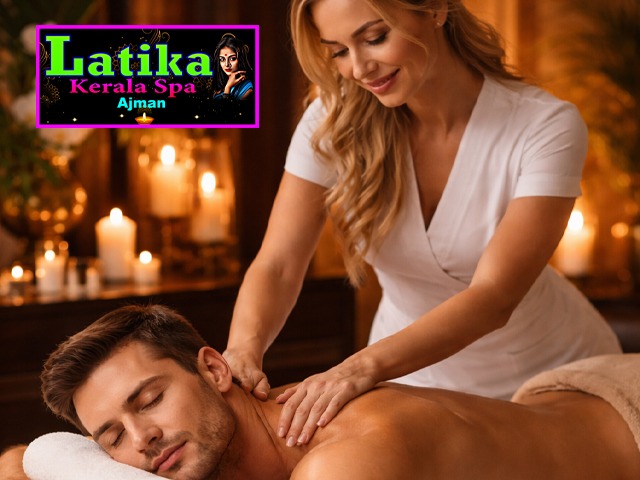
It’s a Thursday evening. You’ve just finished another packed week — back-to-back meetings, long commutes, and a stiff neck that’s been whispering at you since Monday. You reach for a painkiller for the third time this week, and somewhere in that quiet moment, a small voice asks, “Is there a better way?”
For many people living in Ajman and the wider Sharjah corridor, the answer has been a quiet revolution. Not a dramatic lifestyle overhaul. Just a single, deliberate decision to walk into a professional spa and actually let go.
Massage therapy isn’t new. But what’s changed is the awareness — people are finally connecting the dots between chronic stress, physical tension, and long-term wellness. And a growing number are finding that a skilled therapist’s hands can do what no pill quietly delivers: genuine, lasting relief.
This article explores what makes spa massage in Sharjah and nearby Ajman such a meaningful wellness choice, the different massage traditions worth knowing, and how to make the most of your first — or next — spa visit.
What Your Body Is Telling You — And How a Massage Spa in Sharjah Can Help
Most of us are excellent at pushing through discomfort. Tight shoulders? You adjust your posture. Persistent lower back ache? You buy a new chair. Trouble sleeping? You blame the weather.
But physical tension is almost always the body’s way of communicating something deeper — accumulated stress, poor circulation, overworked muscles, or simply the quiet weight of daily life.
Here’s what’s fascinating: research in therapeutic bodywork consistently shows that manual pressure on soft tissue doesn’t just relieve surface tension. It triggers the parasympathetic nervous system — your body’s built-in rest-and-repair mode. That’s why people sometimes feel emotional after a deep massage. It’s not dramatic. It’s biology.
A good spa in Sharjah or Ajman isn’t just a place to feel pampered. It’s a space where your body is finally allowed to do the work it’s been trying to do all along.
A Guide to Massage Traditions: Understanding What Each One Actually Does
Thai Massage in Sharjah: Movement as Medicine
Thai massage in Sharjah has gained serious popularity — and for good reason. Unlike most massage styles, traditional Thai therapy is performed fully clothed on a floor mat. The therapist uses their hands, elbows, knees, and feet to apply rhythmic pressure along energy lines called sen pathways while also guiding the body through gentle assisted stretches.
Think of it as a cross between acupressure and passive yoga. The result? Improved flexibility, reduced joint stiffness, and a sense of energetic clarity that’s hard to describe until you experience it.
This makes Thai massage particularly valuable for the following:
- Office workers with hip and lower back tightness
- People who sit for extended hours
- Athletes or gym-goers needing active recovery
- Anyone who feels “locked up” in their body
At Latika Spa Ajman, the Thai massage sessions are tailored to individual needs — whether you need focused work on a specific area or a full-body flow. Therapists here are trained in authentic technique, not watered-down imitations.
Kerala Massage: Ayurvedic Healing from India’s Southern Coast
Kerala massage is rooted in Ayurveda, the 5,000-year-old Indian system of medicine. It uses warm herbal oils selected based on your body constitution, applied with long rhythmic strokes that work deeply into muscle tissue while nourishing the skin.
What makes it unique is the intentionality. In Ayurvedic philosophy, the goal isn’t just physical relaxation — it’s the restoration of balance between the body, mind, and energy. The oils used are often infused with herbs like sesame, neem, or brahmi, each chosen for specific therapeutic qualities.
For UAE residents dealing with heat-related fatigue, dry skin, or the kind of mental burnout that comes with a demanding lifestyle, Kerala massage offers something genuinely restorative.
Deep Tissue Massage: For the Chronic Tension That Won’t Budge
If your tension lives deeper — in the muscle bellies rather than just the surface fascia — deep tissue massage is often the most effective choice. It uses slower, more concentrated strokes to reach the underlying muscle layers.
It can feel intense during the session. That’s normal. What you’re feeling is the gradual release of adhesions — those tight, knotted areas that restrict movement and cause referred pain. A skilled therapist will always work within your comfort threshold.
One important note: deep tissue massage should never be genuinely painful. Productive discomfort is different from pain, and a professional therapist will check in regularly.
Russian Massage: Structured and Therapeutic
Less commonly discussed but highly effective, Russian massage is a clinical, structured technique developed within the Eastern European sports medicine tradition. It emphasizes a precise sequence of strokes — effleurage, petrissage, tapotement — to improve circulation, reduce muscle fatigue, and support recovery.
It’s particularly popular among people with sports injuries or those recovering from physical strain. The approach is methodical, confident, and rooted in anatomical understanding.
Indian and Pakistani Massage: Heritage Techniques with Modern Relevance
Both Indian and Pakistani massage traditions bring ancient therapeutic knowledge to the table. Indian head massage, for instance, works on the scalp, neck, shoulders, and upper back — areas where tension accumulates silently for years. Pakistani massage traditions often incorporate strong pressure techniques along the spine and shoulders.
These are comfort styles as much as therapeutic ones — deeply familiar to many South Asian residents and increasingly appreciated by those seeking something warmer and more human than clinical physiotherapy.
Hot Oil Massage: Warmth That Reaches Deeper
When heat and skilled touch combine, the effect is almost immediately sedating — in the best way. Hot oil massage uses warmed oils applied with flowing strokes that relax the nervous system almost instantly.
The heat helps muscles release more readily, making the bodywork more effective. For those dealing with chronic cold tension, seasonal stiffness, or simply the kind of exhaustion that feels bone-deep, hot oil massage is often the most immediate path to genuine relief.
Why Ajman Residents Are Increasingly Visiting Spas in the Region
Ajman’s residents live at an interesting intersection — geographically close to the commercial intensity of Sharjah and Dubai, yet often seeking spaces that feel more personal and grounded. The wellness culture here has been quietly maturing.
What’s driving the shift isn’t luxury-seeking. It’s practicality. People are recognizing that:
- Massage therapy supports better sleep — by reducing cortisol and activating the parasympathetic system
- Regular sessions reduce sick days — improved circulation means better immune function over time
- Mental clarity improves — even a 60-minute session can reset cognitive fatigue
- Chronic pain responds better to consistent therapy than to episodic treatment
Latika Spa Ajman has become a trusted name in this space precisely because the approach is grounded. The focus is on real results, professional hygiene standards, and therapists who genuinely understand bodywork — not just go through motions.
What to Expect on Your First Visit to a Professional Spa
First-time visitors often feel uncertain — and that’s completely natural. Here’s what a professional experience should look like:
Before your session: A brief consultation. Your therapist should ask about any injuries, health conditions, or areas of focus. This isn’t a formality — it shapes the entire session.
During your session: You’ll be appropriately draped at all times. Communicate openly. If pressure is too intense or not enough, say so. A skilled therapist welcomes this feedback.
After your session: Drink water. Avoid intense physical activity for a few hours. Some people feel deeply relaxed; others feel a mild muscle soreness similar to post-workout fatigue — both are normal.
Hygiene is non-negotiable in a professional setting. Clean linens, properly sanitised equipment, and fresh oils for every client are standards you should expect and receive.
Practical Wellness Tips for People Living in the UAE
- Hydrate before and after — massage accelerates lymphatic movement, and your body needs water to flush released toxins efficiently.
- Book consistent sessions — monthly maintenance is more effective than sporadic crisis visits.
- Communicate your lifestyle — tell your therapist if you drive long distances, work at a desk, or train regularly. This changes the approach entirely.
- Give yourself transition time — rushing out of a spa immediately after a session undoes some of the work. Rest for at least 20 minutes.
- Listen to what feels tight — your body is always communicating. Learning to notice recurring tension patterns helps you choose the right treatment.
FAQ: Common Questions About Spa Massage in Sharjah and Ajman
Q: Is it safe to get a massage if I have a medical condition? Always consult your doctor before booking a massage if you have conditions like deep vein thrombosis, recent surgery, skin infections, or severe osteoporosis. Most conditions don’t prevent massage — they just require modification.
Q: How often should I get a massage? For general wellness and stress management, once or twice a month is a solid rhythm. For active recovery or chronic pain, weekly sessions may be recommended by your therapist.
Q: What’s the difference between a spa massage and a physiotherapy session? Physiotherapy focuses on rehabilitation and is typically guided by a clinical diagnosis. Spa massage focuses on relaxation, circulation, and soft tissue wellness. Both have value — they serve different purposes.
Q: How long should a session be? A 60-minute session covers the full body adequately. 90 minutes allows for more focused work on specific areas. For first-timers, 60 minutes is a natural starting point.
Q: Is Thai massage painful? Good Thai massage should not be painful. There will be moments of strong pressure and deep stretching that feel intense, but this should stay within a comfortable range. Always communicate with your therapist.
Q: What should I wear to a spa? For oil-based massages, you’ll undress to your comfort level and be properly draped throughout. For Thai massage, wear loose, comfortable clothing — you’ll stay dressed for the session.
Ready to Actually Rest? Here’s How to Begin
If you’ve been carrying tension that over-the-counter solutions haven’t touched — the ache in your shoulders, the tightness in your hips, the sleep that never feels quite restorative enough — it might be time to let an expert work with you, not around you.
Latika Spa Ajman offers a range of professional massage treatments, including Thai massage, Kerala massage, Russian massage, deep tissue, Indian and Pakistani massage, and hot oil therapy. The team is committed to a clean, professional environment where your comfort and well-being are the entire focus.
Whether you’re booking for the first time or returning after a break, the goal is simple: leave feeling better than when you arrived.
You can reach Latika Spa Ajman directly to ask questions about treatments or book a session that fits your schedule and needs.