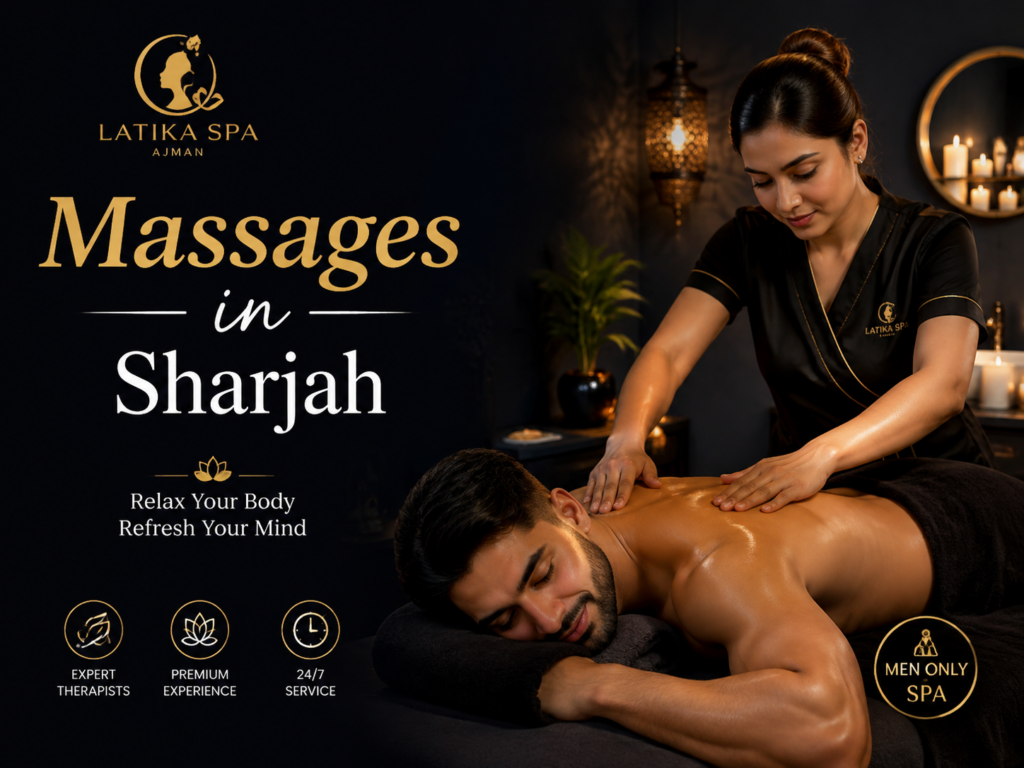
There’s a small habit therapists notice before a client even lies down: where their hand goes first. A graphic designer working out of Al Majaz will press two fingers into the base of her skull without thinking. A warehouse supervisor near Sharjah Industrial Area leans back and cups his lower spine. A delivery driver who’s spent the afternoon on Al Ittihad Road rolls his shoulder like it’s rusted shut. Nobody points to the same spot twice, yet almost everyone ends up booking the exact same hour-long “relaxation” package and hoping for the best. That mismatch is the actual subject of this article, not the usual rundown of spa amenities and price tiers. Think of it less as a guide to massages in Sharjah and more as a map — one that connects the shape of your workday to the shape of your pain, and then to the specific technique built to undo it. A body that’s been driving all day doesn’t need the same treatment as a body that’s been lifting crates or hunched over a spreadsheet. Once you start reading tension that way, choosing a massage stops being guesswork.
The Hidden Link Between Your Job and Your Pain Pattern
Physiotherapists will tell you that repetitive posture, not age, is the biggest driver of chronic tension in office-heavy cities like Sharjah and Ajman. Sit hunched over a laptop for eight hours and your upper trapezius muscles shorten. Stand on your feet all day at a retail counter and your calves and lower back start compensating. Drive for a living and your hip flexors tighten while your shoulders round forward from gripping the wheel.
This is why a single “relaxation massage” often leaves people saying, “it felt nice, but the pain came back in two days.” The pressure, technique, and target areas weren’t matched to the actual problem.
Desk Workers: Neck, Shoulders, and the Forward-Head Trap
If you work in one of Sharjah’s business towers or Ajman’s growing office districts, your body is likely stuck in what therapists call “upper crossed syndrome” — tight chest and neck muscles paired with weak upper back muscles. A Deep Tissue Massage works well here because it targets the deeper muscle layers around the shoulder blades and cervical spine, releasing knots that a lighter touch simply glides over.
Manual and Physical Laborers: Lower Back and Joint Fatigue
For warehouse staff, construction workers, or anyone doing repetitive lifting, the lower back and hip region take the brunt of daily strain. A Kerala Massage, rooted in traditional Ayurvedic technique using warm herbal oils, is particularly effective here. The rhythmic, oil-based strokes improve circulation to overworked joints and muscles, which supports faster recovery between shifts.
Commuters and Drivers: Shoulder Tension and Stiff Hips
Anyone who spends over an hour a day commuting between Sharjah and Ajman knows the specific stiffness that comes from sitting in traffic with tense shoulders and a bent spine. A Thai Massage, which combines stretching with pressure-point work, can help restore mobility in the hips and shoulders that gets lost from prolonged sitting.
Athletes and Gym-Goers: Muscle Recovery and Circulation
If your week includes heavy training, your muscles need help clearing metabolic waste and reducing inflammation. A Russian Massage, known for its firm, systematic strokes along muscle fiber direction, is often used by therapists for sports recovery because it improves blood flow without the aggressive intensity of deep tissue work.
High-Stress Professionals: Full-Body Tension
For people juggling back-to-back meetings and constant screen time, tension isn’t localized — it’s everywhere. A Hot Oil Massage combines warmth with full-body strokes, which helps relax the nervous system as much as the muscles. Warm oil increases blood flow to the skin’s surface, which many people find noticeably calming within the first ten minutes.
Travelers and Newcomers to Manual Therapy: Gentle Introduction
If you’ve never had a professional massage before, or you’re someone who finds firm pressure uncomfortable, an Indian Massage or Pakistani Massage style — both known for balanced, moderate pressure and head-to-toe coverage — can be a gentler entry point before moving on to deep tissue work.
What Actually Happens During a Good Massage Session
A well-trained therapist doesn’t just follow a script. Before any session, a qualified therapist should ask about your pain history, any recent injuries, and areas to avoid — particularly if you’re pregnant, have high blood pressure, or have had recent surgery. This isn’t bureaucracy; it’s basic safety practice that separates a professional massage spa Sharjah residents can trust from a generic rub-down.
Hygiene matters just as much as technique. Look for a massage center in Sharjah or nearby Ajman that changes linens between every client, uses sealed or single-use oil dispensers, and keeps treatment rooms properly ventilated. These details seem small until you realize how much skin-to-skin contact and shared surfaces are involved in bodywork.
Signs You’re at a Well-Run Spa
- Therapists ask about medical history before starting
- Rooms are cleaned and re-set between sessions, not just wiped down
- Pressure is adjusted based on your feedback during the session, not fixed regardless of comfort
- Staff can clearly explain which massage type suits which concern, rather than pushing the most expensive package
A Quick Note on Pressure Levels
A common mistake is assuming “harder is better.” Deep tissue work is genuinely therapeutic for chronic knots, but going too firm too fast on inflamed or acutely injured tissue can actually worsen soreness for 24–48 hours. A good therapist builds pressure gradually across a session rather than starting at maximum intensity.
Matching the Massage to the Moment, Not Just the Mood
The most useful habit you can build isn’t booking a massage only when you’re in pain — it’s learning to read your body’s signals early. Tight shoulders creeping up toward your ears by Wednesday afternoon, a dull ache behind your knees after a weekend hike, or shallow breathing during stressful weeks are all cues that a specific type of spa massage Sharjah offers could address, before the tension becomes chronic.
This is part of why Latika Spa Ajman takes a consultation-first approach rather than a one-size-fits-all menu. Matching someone’s actual physical pattern to a technique — say, recommending a Kerala Massage for someone with joint stiffness rather than defaulting to whatever’s popular that week — tends to produce results that last longer than a single relaxing hour.
Building a Realistic Recovery Routine
For most people dealing with work-related tension, a single massage won’t undo months of poor posture. Therapists generally recommend:
- Weekly or biweekly sessions for chronic tension (desk workers, drivers)
- Post-activity sessions within 24–48 hours for athletes and physically active individuals
- Combining massage with movement — short stretching breaks during work hours make a noticeable difference in how long the effects of a massage last
- Hydration after treatment, since massage stimulates circulation and mild dehydration can amplify next-day soreness
None of this replaces medical care for serious injuries. If pain is sharp, radiating, or accompanied by numbness, that’s a conversation for a doctor first, a massage therapist second.
Finding the Right Fit Nearby
Sharjah residents have plenty of choice when searching for a Spa in Sharjah, but proximity to Ajman is worth considering too — often the quieter setting means more attentive, less rushed sessions. Whether the goal is easing a desk-bound neck, recovering from a heavy training week, or simply carving out an hour of stillness, Latika Spa Ajman has built its approach around matching the person to the technique rather than the other way around. It’s a short enough drive from most parts of Sharjah, and for many regulars, that’s become part of the routine — a reset before the next stretch of long days begins.
FAQs
1. What’s the difference between massages in Sharjah and Ajman spas?
There’s no major regulatory difference, but many people choose spas slightly outside busy Sharjah districts, like Ajman, for a calmer, less rushed environment.
2. Which massage is best for someone who sits at a desk all day?
Deep Tissue Massage typically works well for neck and shoulder tension caused by prolonged sitting and screen use.
3. Is Hot Oil Massage safe for sensitive skin?
Most therapists use neutral, hypoallergenic oils, but it’s worth mentioning any skin sensitivities before your session so the therapist can adjust accordingly.
4. How often should I get a massage for chronic back pain?
Many therapists recommend weekly sessions initially, tapering to biweekly or monthly once tension noticeably decreases.
5. Can I request a specific pressure level during my session?
Yes, and you should. A good therapist will check in during the session and adjust pressure based on your comfort and feedback.
6. What should I look for when choosing a massage center in Sharjah?
Check for proper hygiene practices, therapists who ask about your medical history, and staff who can explain which massage type suits your specific concern rather than pushing a fixed package.